Snowpack ripe for failure

CB Avalanche Center2020-21 Observations

Zone: Southeast Mountains

Location: Snodgrass/Gothic saddle

Date of Observation: 12/11/2020

Name: Alex Tiberio


Subject: Snowpack ripe for failure

Aspect: North East

Elevation: 10500

Avalanches:

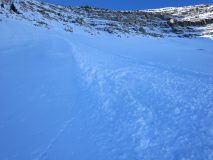
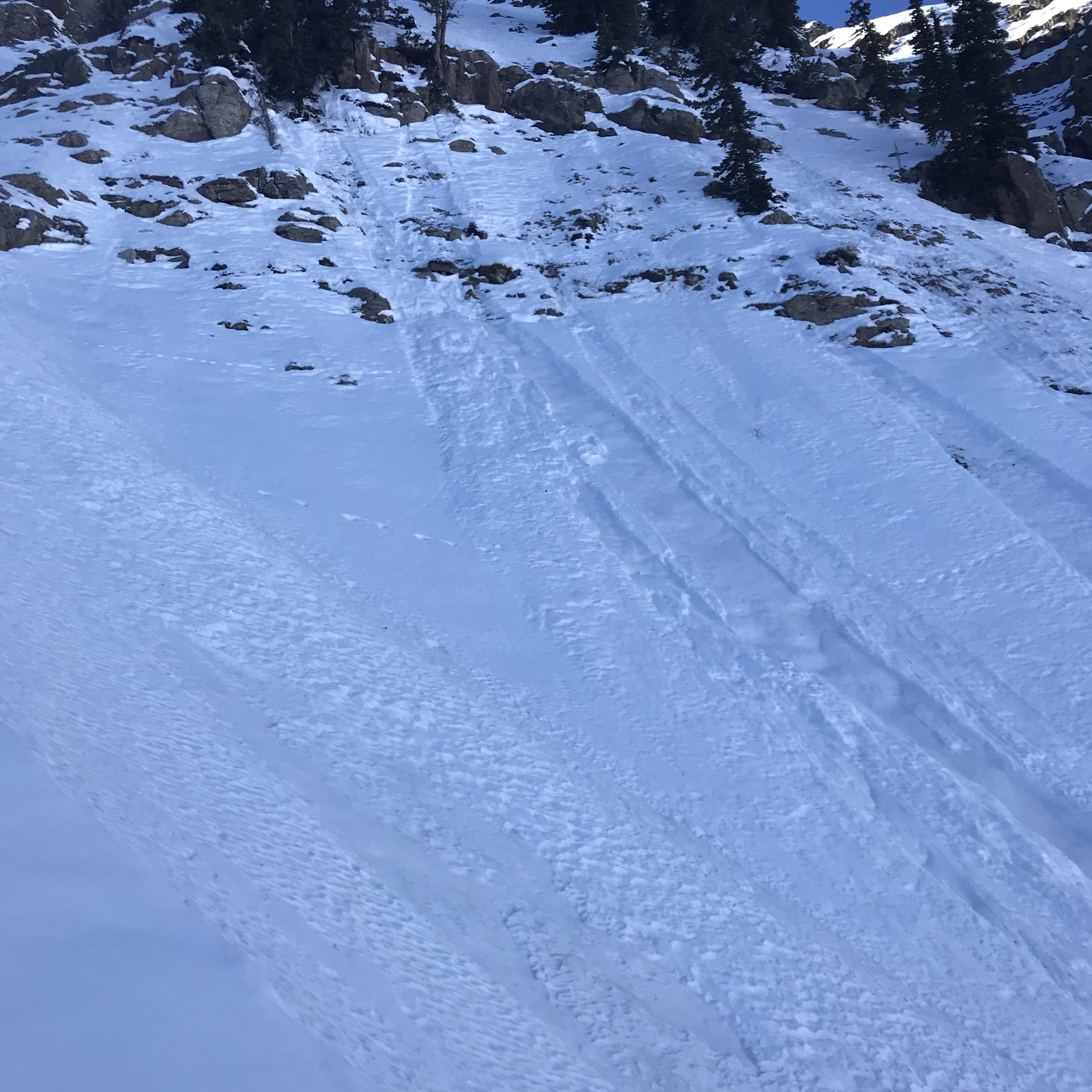
Intentionally triggered a D2 Storm Slab on a NNE facing slope. Released about 20 ft below a ski cut. Propagated 20 ft wide running about 500ft downhill. Phone died, couldn’t get pictures.


Weather: Snowing on and off throughout the morning. Sometimes heavy. 6” new snow in gothic. About 8” on the snodgrass/gothic ridge line

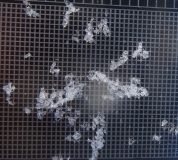
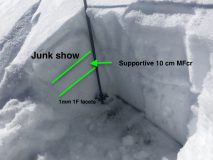
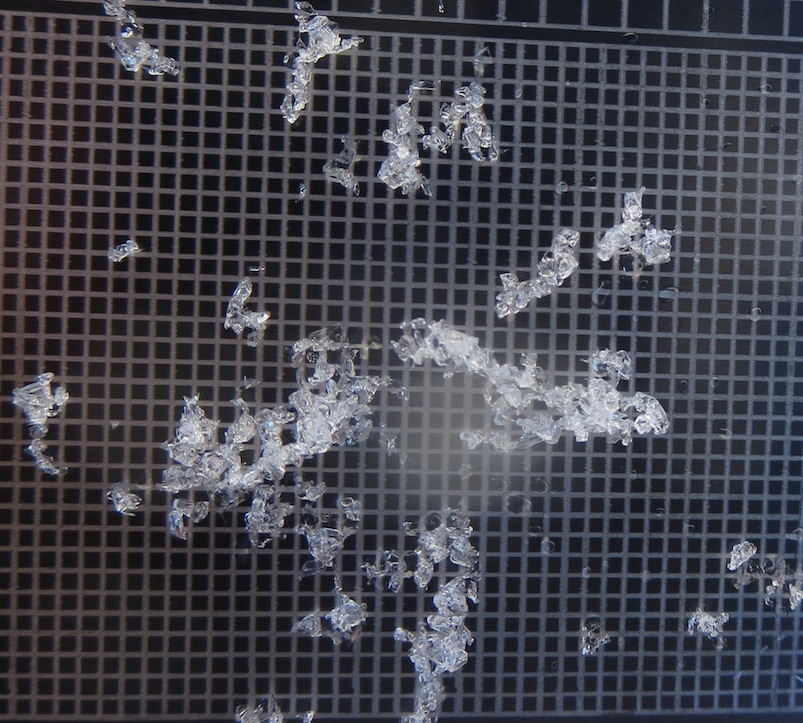
Snowpack: Weak. Some preserved surface hoar below the storm snow. Facets to the ground below that. Easy the produce spiderwebbing shooting cracks on More northerly facing slopes

Photos:


Carbon Peak

CB Avalanche Center2020-21 Observations

Zone: Southeast Mountains
Location: East side of Carbon Peak
Date of Observation: 12/10/2020
Name: Bo Torrey

Aspect: North, North East, East, South East, North West
Elevation: 10,800-9200′

Weather: Overcast skies. Calm winds.

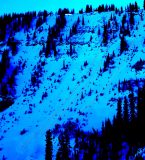
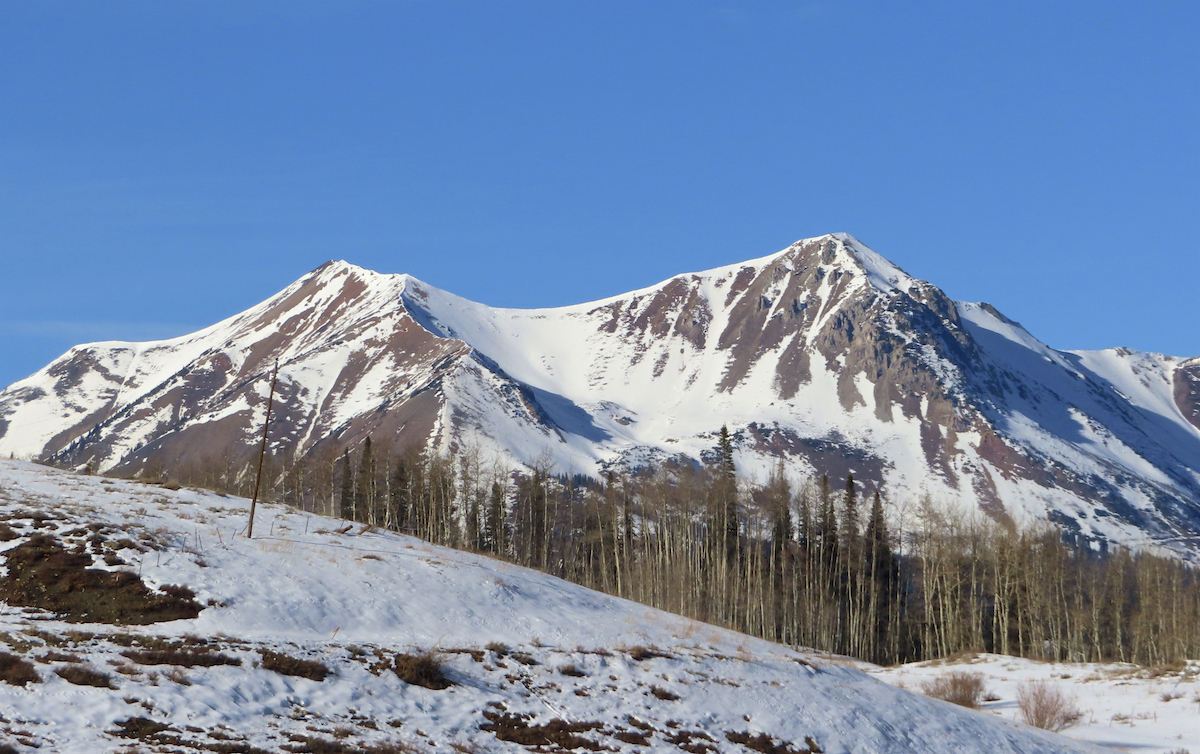
Snowpack: South aspects were bare ground up to 12,000 ft. Snow depths on northerly slopes averaged about 30-40cm. On SE facing slopes the snow had consolidated down to just a few inches and coverage was thin but the snow was supportable and made for more predictable turning conditions. On east, north, and northwest facing slopes, I found a mix of crust and facet layers with varying levels of thickness and support. On the surface, there was a subtle crust with facets directly below it, followed by another thicker and more supportable crust 15-20cm beneath the surface. On due north-facing slopes, the crust was less noticeable but still existent on slopes near treeline. The snowpack on due north was entirely faceted and unsupportive.

Photos:

Starting Over

CB Avalanche Center2020-21 Observations

Zone: Southeast Mountains
Date of Observation: 12/09/2020
Name: Evan Ross

Snowpack: After a long dry spell for the end of November and the start of December, we could boil a snowpack summary down to something fairly simple. If the terrain was white with snow on December 9th, then those slopes will have a weak foundation for the next round of snow and building snowpack to come. Not all the current snow coverage will be the next persistent weak layer, but the vast majority will be. So keep it simple, where we had snow coverage around ~12/9, is where we can expect the next persistent Slab Avalanche Problem to begin building. Of course, we need it to start snowing again. Please start snowing again.

There is less terrain not on the potential problematic list, so let’s look at those slopes. Below Treeline SE, S, and SW have bare ground. Near Treeline, those same slopes have a variable patchwork of snow. Above Treeline southerly facing slopes have the best coverage in the Northwest Mountains, and more patchy snow coverage in the Southeast Mountains. On northerly facing slopes below 8,500ft the snowpack is either very thin or patchy. Just about everything else had continuous snow coverage, or at least much better coverage than what was listed earlier.

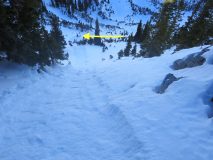
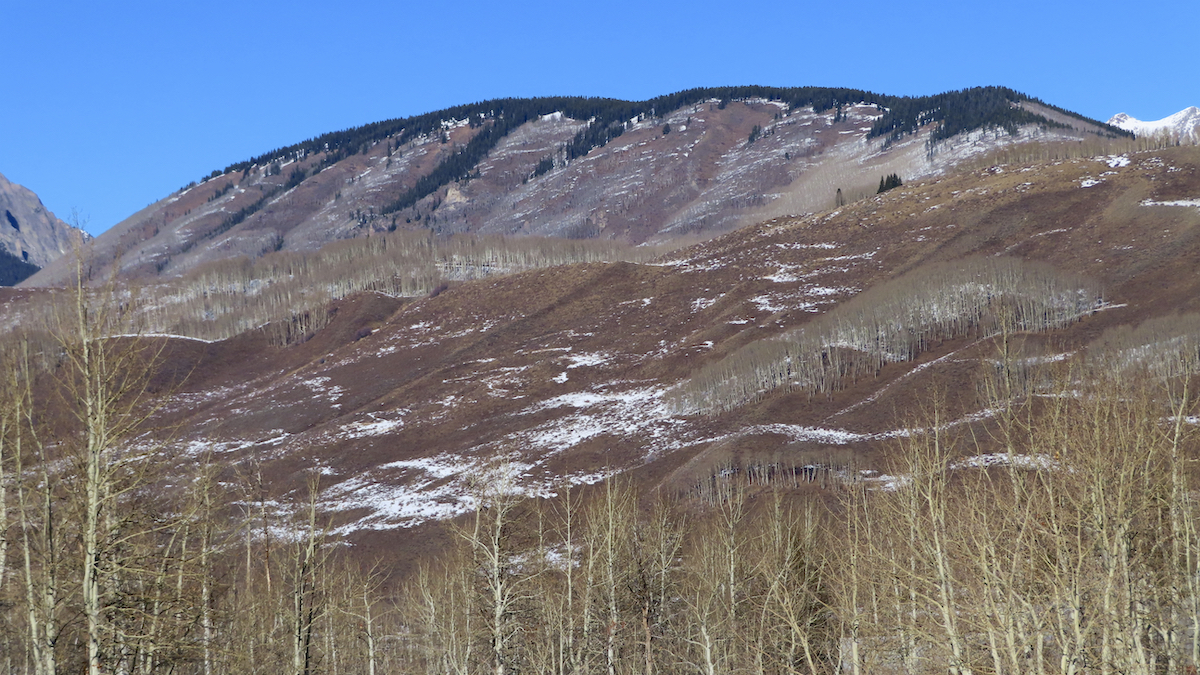
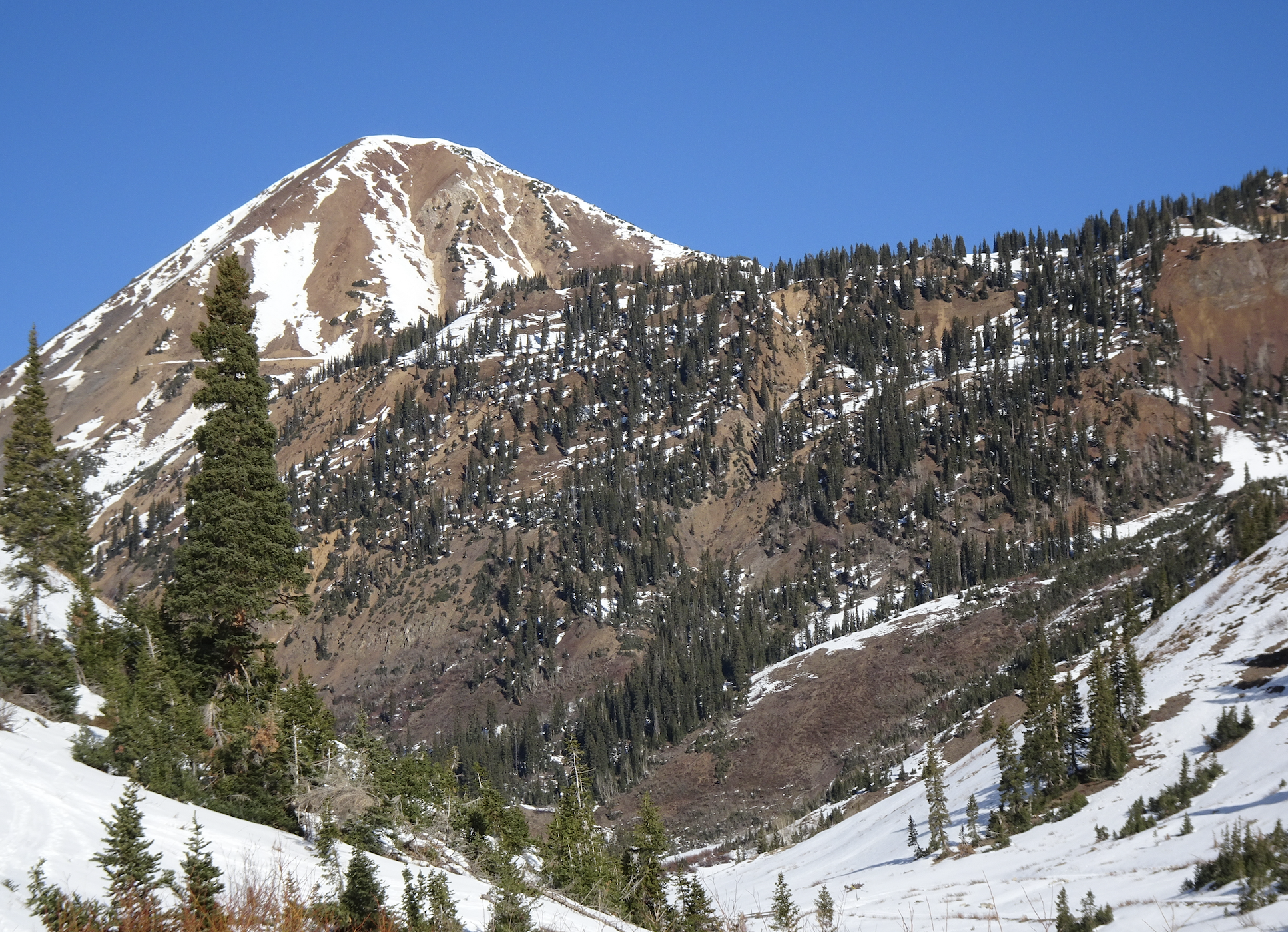
The pictures below document some of the slopes that had bare ground or patchy snow coverage on or around 12/9.


Waiting for snow

CB Avalanche Center2020-21 Observations

Name: Jack Caprio

Zone: Northwest Mountains

Location: Baxter Basin

Date of Observation: 12/09/2020

Aspect: North, North East, East

Elevation: 9,500-11,500

Avalanches: Old natural and skier triggered dry loose avalanches on East, Northeast, and North Facing aspects above treeline. Some naturals were initiated due to solar warming near rock bands on east-facing terrain.

Weather: Just lovely. Little to no wind and sunny skies.

Snowpack: We toured primarily on North, Northeast, and East facing aspects from 9,500′ to 11,400′. At 10,000 feet, we found about 10-15 cm of 2-4 mm fist hard facets on the top of the snowpack. Below that, we found 30 cm of 1 finger dense snow down to the ground. As we gained elevation, we toured primarily on the northern quadrant of the compass.

At 11,400 feet, on an open north-facing aspect, the snowpack depth was 75 cm. The upper 25 cm of the snowpack was fist hard facets, while the next 40 cm had a 1 finger density.  This particular area held 10 cm of old late October snow at the bottom of the snowpack. This old October snow showed significant signs of rounding. After a couple of non-propagating test results, we skied 35-38 degree NNE facing slopes with no signs of instability.

Photos:


10 Great Turns

CB Avalanche Center2020-21 Observations

Zone: Northwest Mountains
Location: East bowl of Schuylkill Peak above Pittsburg rollers
Date of Observation: 12/6/2020
Name: Zach Kinler, Jack Caprio

Aspect: North, North East, East, South East

Elevation: 9,400′- 11,600′

Avalanches:

Observed 6 older Loose Dry avalanches on steep E-N slopes initiating from shallow areas around rock outcrops near tree line. All D1 in size confined to surface snow.

Triggered 4 Loose Dry avalanches from ridge line in similar terrain, running 200-300 vertical feet. D1 in size. These avalanches are easy to avoid as they are starting quite small and narrow and only gaining harmful momentum mid to lower track as the terrain funnels and confines the debris.

Weather: Amazingly pleasant. Sunny skies, calm winds, temps in valley around 10F to start with 11K temps near or above freezing.

Snowpack: Toured primarily E-N aspects up to 11,600′ paying close attention to near surface conditions and any Loose Dry avalanche concerns in the Northwest zone.  Snowpack depths are 40-60 cm with the upper 15-20 cm heavily faceted. Below 10,500′ its trap door with faceted snow or weak crusts/facets to ground. Moving above 10,500′ and into more open terrain, there is generally a meager 1F midpack offering ski support and a shallow bed surface for any Loose activity. The upper 15-20 cm is faceted similar to lower elevations however.

Stomped on a few N/NE near tree line features with October facets(3mm) near the ground with no cracking or signs of instability. Slabs are not present across terrain features.


Photos:

[/gravityforms]

Schofield area

CB Avalanche Center2020-21 Observations

Zone: Northwest Mountains

Location: North Pole Basin

Date of Observation: 12/05/2020

Name: Ben Pritchett


Subject: Schofield area

Aspect:

Elevation: Above treeline

Avalanches:

Mid morning we watched a few cinnamon rolls come out of southeast facing cliffs.

Weather: Warm and calm.

Snowpack: We found highly variable, soft wind-textured snow surfaces. Average snowpack depth ranged from one and half feet on east to south facing slopes, with and average just over two feet deep on north to east-facing slopes. The snowpack remains essentially right-side-up, with denser stiffer snow near the ground and weaker faceted snow near the snow surface. Ski penetration averaged ~4 to 6 inches deep. In shallowly snow-coved wind-swept areas the snowpack was less supportive with ski penetration to the ground.

Photos:

Tiptoeing in Baxter

CB Avalanche Center2020-21 Observations

Zone: Northwest Mountains

Location: Baxter

Date of Observation: 12/05/2020

Name: Joey Carpenter


Subject: Tiptoeing in Baxter

Aspect: North, North East, East, South East

Elevation: 9250-11.7

Avalanches:

A couple natural loose dry, very small initiating below cliff bands.

Weather: Bright and sunny, no wind and a beautiful day overall. Temps started around 10 degrees near Pittsburg and rose to above freezing. It was warm enough that even with the low sun angle, we were getting glop on the skins in the mid elevations around noon.

Snowpack: The snowpack is an inconsistent mess of facets with decaying midpack support (where you can find it). You’d be hard pressed to convince some people that it’s even ski season. We did find some fun, supportive turns but treading cautiously is essential. N, NE aspects in the mid elevation bands are completely faceted out. The mid-upper elevations offer better but again, inconsistent midpack support. Thin coverage on the more solar aspects makes skiing through lower elevation bands nerve wracking at best. “Every turn is a mystery, every knoll a surprise.” That about sums it up. Mid & upper elevation S, SW and W aspects visible from this zone are nearly devoid of snow now (Cinnamon, Mineral, Baldy, Purple Ridge) . Whatever is left will be gone if forecasts verify in the coming days.

The current state of the surface snow has very little ability to support a substantial load (if we ever get one).

found the facet sluff problem!

CB Avalanche Center2020-21 Observations

Zone: Northwest Mountains

Location: schuykill ridge – thanksgiving bowl

Date of Observation: 12/04/2020

Name: Mark Robbins


Subject: found the facet sluff problem!

Aspect: North East

Elevation: 9200-11400

Avalanches:

intentional ski cut on a convexity at 11,150′ on skier’s left side of thanksgiving bowl produced a loose dry avalanche or facet sluff which propagated 30 feet and ran 650 vertical feet, through small trees and exposing rocks below the snow, stopping on a bench in a stand of trees. Enough energy to take you off your feet and moving fast enough to hurt you in the trees or strained through rocks, not enough to bury you. See photo, have a couple videos which I’ll send to CBAC.


Weather:

Snowpack:

Photos: