
Toto, we’re not in Kansas anymore

CBAC2020-21 Observations

Date of Observation: 01/15/2021
Name: Zach Guy, Zach Kinler, Jared Berman


Zone: Southeast Mountains
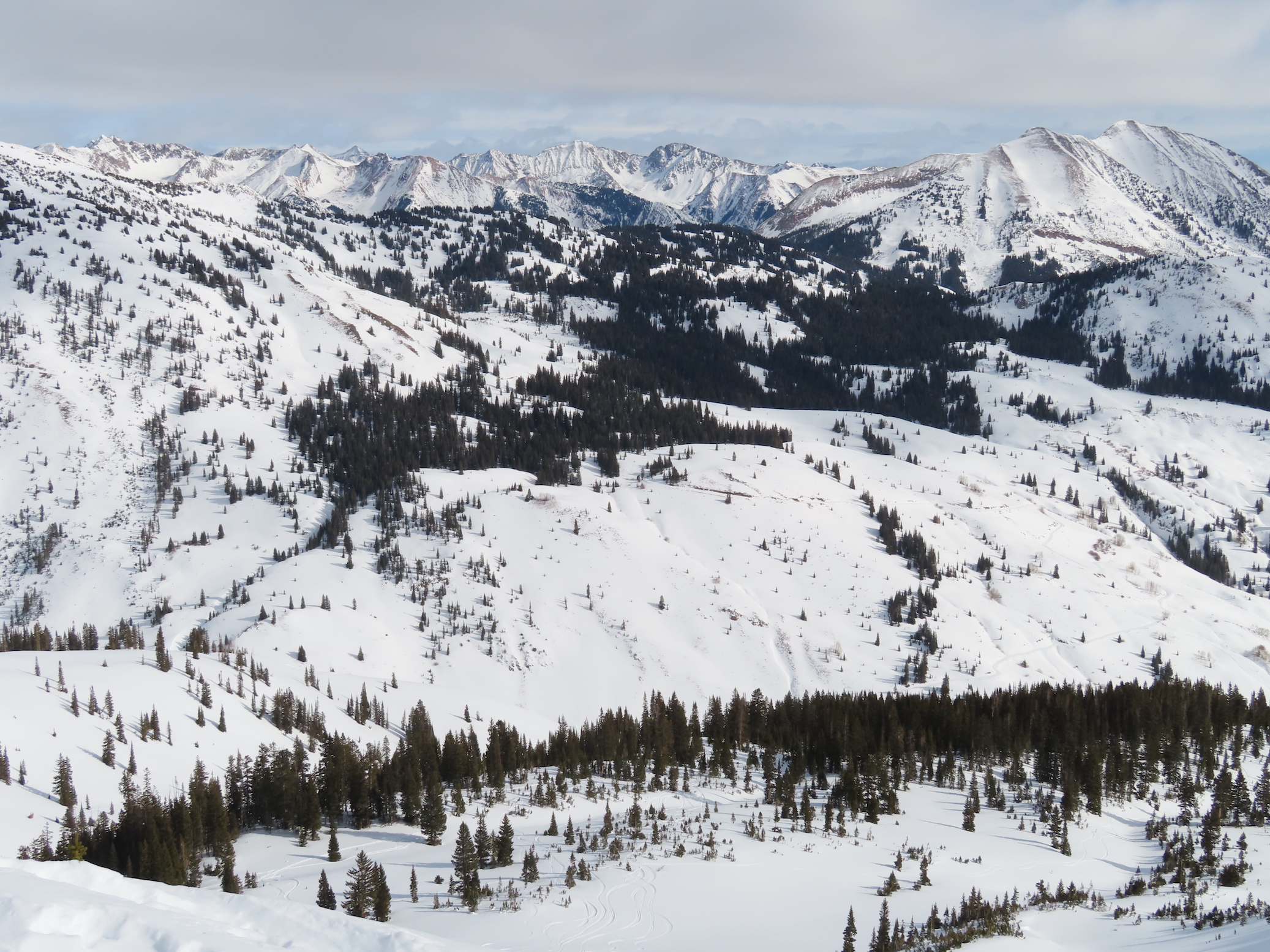
Location: West Brush Creek towards Coffee Pot Pass
Aspect: East, South, West
Elevation: 9,000 to 12,800′


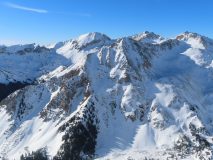
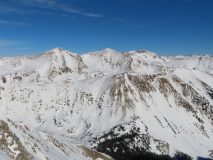
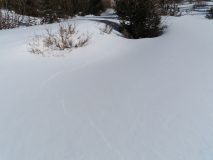
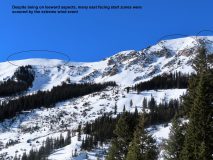
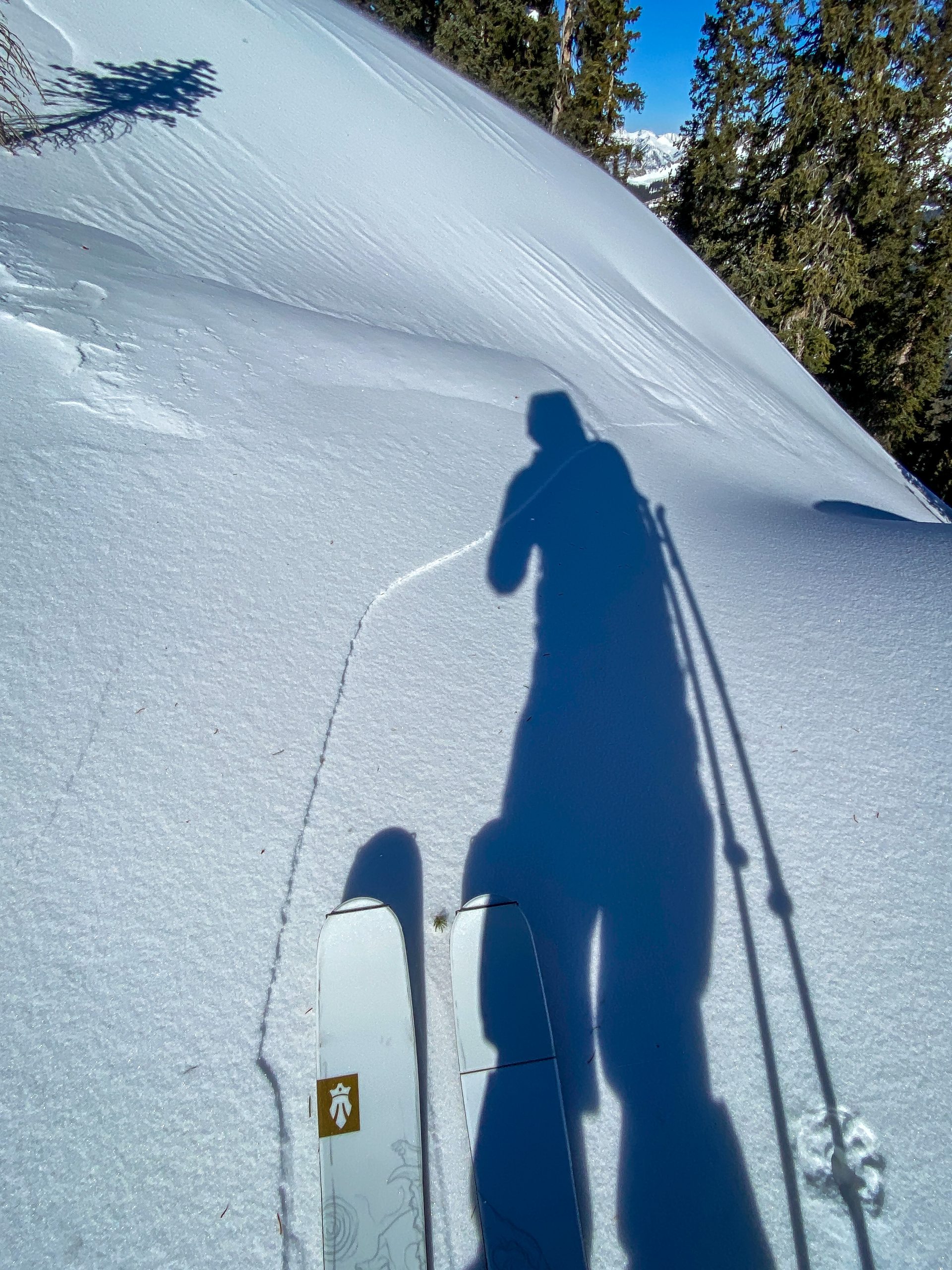
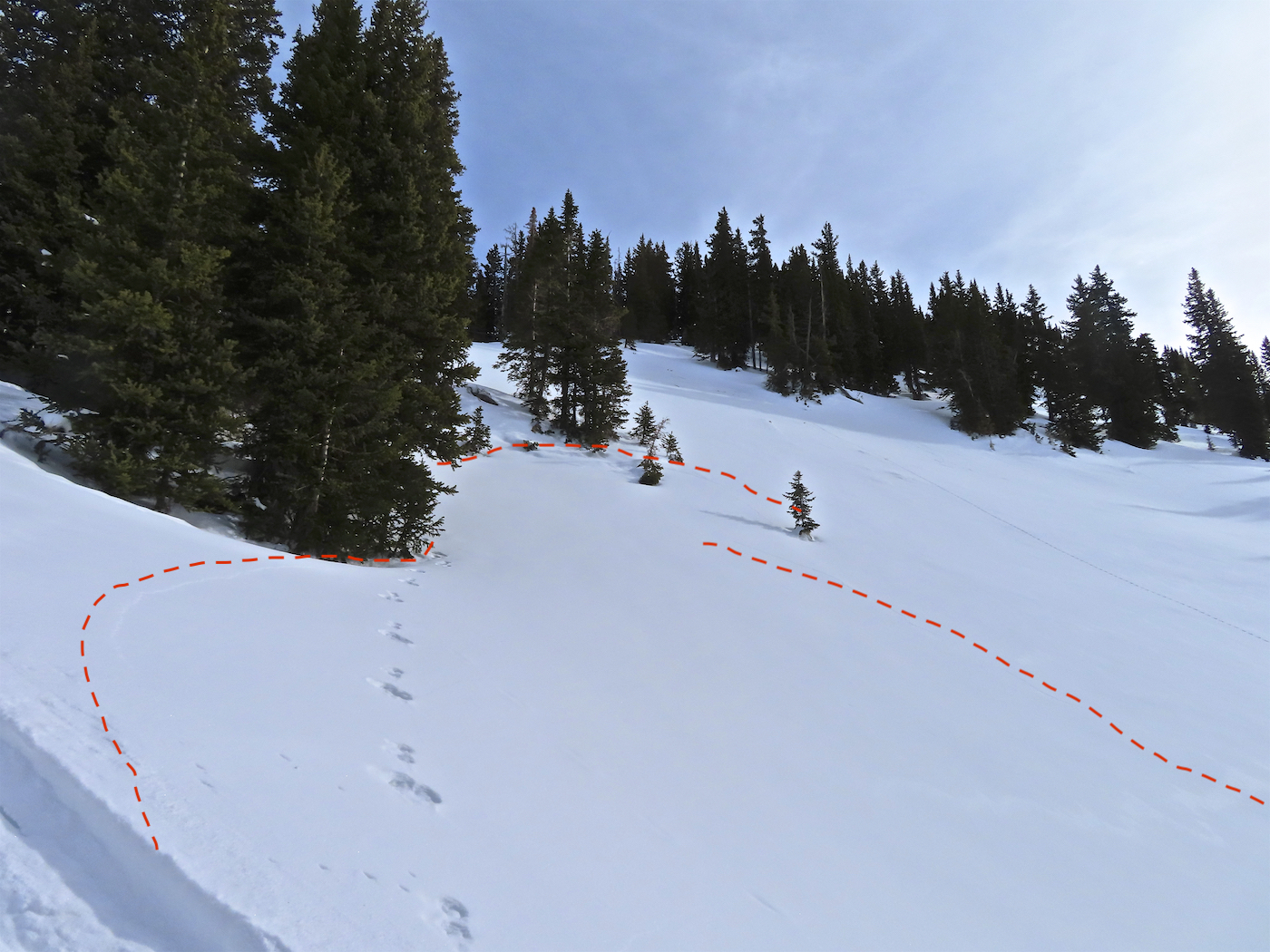
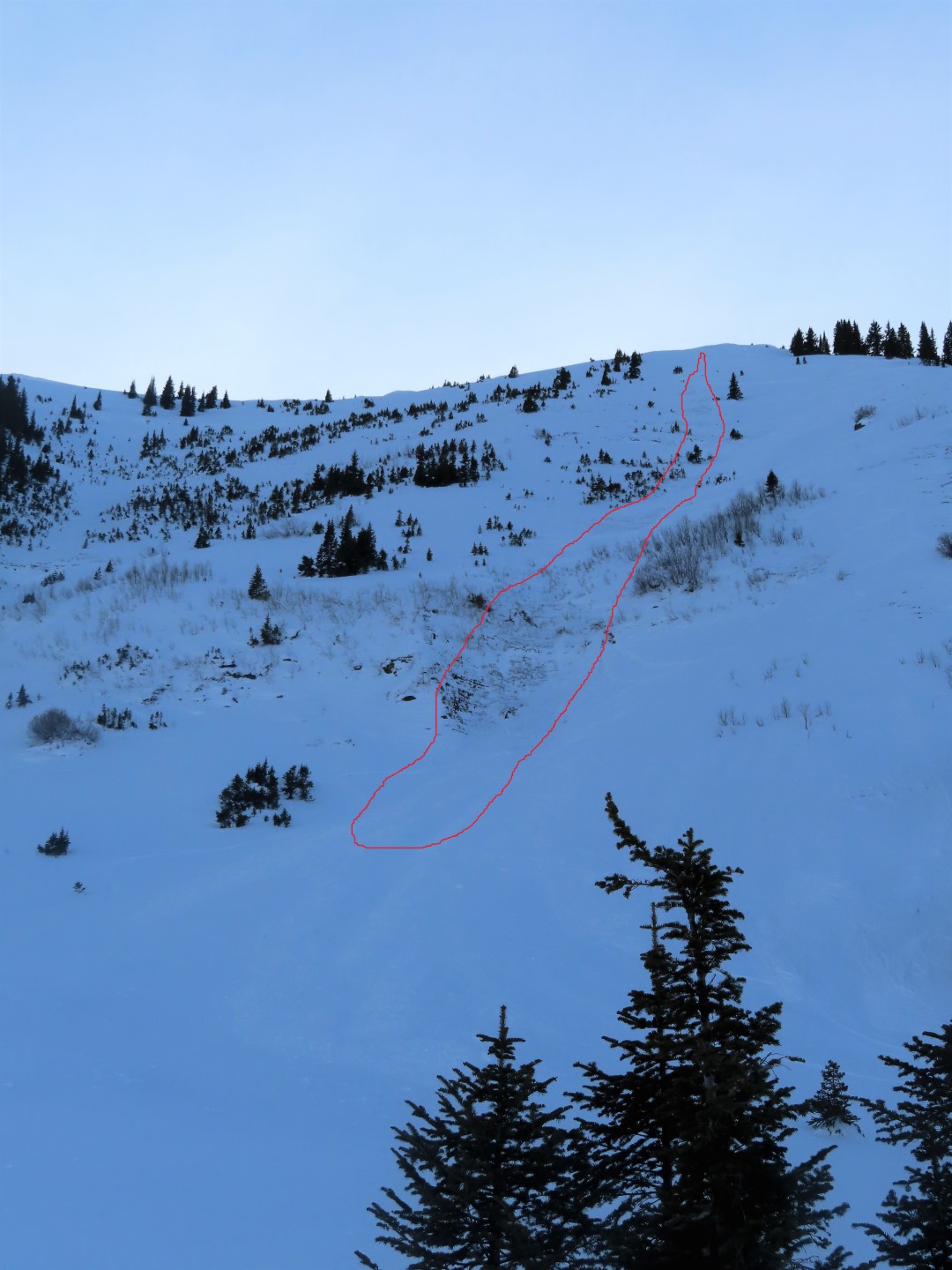
Avalanches: We intentionally triggered a hard slab avalanche on a small, heavily windloaded terrain feature on an east aspect below treeline. The slab was about a foot thick and about 300 feet wide, D1.5 in size. It was made up of windrifted snow failing on weak facets.
Weather: Clear skies, mild temps, periods of moderate to strong gusts drifting faceted snow.
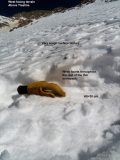
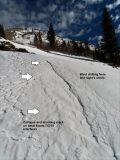
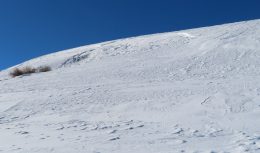
Snowpack: We traveled mostly on low angle terrain below treeline and some steeper slopes on westerly aspects near and above treeline. Below treeline, we triggered about a dozen collapses and shooting cracks on the 12/10 interface which is about 15″ down, 4-5mm depth hoar. Collapses were mostly in concave or leeward terrain features that had collected additional windloading from last night’s winds. Wind drifts were pencil hard, 2″ to 8″ thick on average, and localized to mostly just drainage bottom. The drifts themselves also cracked easily under our weight where they formed on near surface facets. As we gained elevation, it appeared that winds mostly just scoured snow away on all aspects. The few drifts that we found were thin and unreactive. On steeper westerly aspects, we didn’t observe any signs of instability; the snowpack is generally thin and all weak facets, apart from a wild mess of firm wind crusts and sastrugi on the surface.
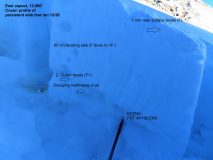
We targeted a test pit just above the crown of a large avalanche that ran naturally in late December on an east aspect above treeline. The slab was 60 cm thick, and is faceting throughout, but still has about 10 cm of 1F- in the midpack. The failure layer was 2-3 mm facets either above or below a soft (4F) decaying meltfreeze crust. Stability tests on the structure today produced hard, non propagating results in an extended column test (ECTN28 x 2), and propagating results in a propagation saw test (PST40/100 END x 2 on 20201210) just above the crust.


Photos:

Wind Board Is The New Pow Bro

CBAC2020-21 Observations

Date of Observation: 01/15/2021
Name: Evan Ross

Zone: Northwest Mountains
Location: Kebler to Scarps Ridge
Elevation: 9,000-12,000

Avalanches: Nothing new observed

Weather: Few clouds, with continued moderate to strong winds

Snowpack: Covered ground and moved around, just trying to get a better idea of conditions after the wind event. Mostly just traveling on roads and looking at the terrain. In the big picture, there was way more wind erosion on the snowpack, then any actual wind-loading. I really didn’t see much of any lens-shaped, pillowy, or well loaded looking terrain. I’m sure there was some form of loading, maybe NTL behind some tree fences or something. Though I wouldn’t say you could claim there is specific terrain with common characteristics holding fresh wind load, and instead, any fresh wind-loading looked more isolated to non-existent. Lots of wind-board and sastrugi out there unfortunately.

I also spent a brief period in lower Elk Creek. Some of the snow surfaces down low had some texture in the protected areas, but the snow surface was still soft and more capable of a facet sluff than a slab problem. The views I had up toward the start zones looked more like wind texture and not so much for lens-shaped loading.

wind event carnage at the anthracites

CB Avalanche Center2020-21 Observations

Date of Observation: 01/15/2021
Name: Mark Robbins


Zone: Northwest Mountains
Location: anthracites

Avalanches: one small wind slab in 1/2 bowl of axtell, see photo. Some cracking on the ridge approaching top of AMR, see photo, and one settlement on the ridge as well.
Weather: windy. Still very windy.
Snowpack: we had the opportunity to sample a variety of snow conditions. Breaker windboard, supportive windboard, impenetrable windboard, breaker sastrugi, impenetrable sastrugi, wind stiffened, and even some merely wind fondled in the most protected trees left of friendly.


Photos:

Wind blew the barn door open

CB Avalanche Center2020-21 Observations

Date of Observation: 01/14/2021
Name: Cosmo Langsfeld

Zone: Southeast Mountains
Location: Cement Creek
Elevation: 9250’

Weather: Literally. Also snow devils.

Snowpack: Wind died down late Thursday morning and picked up again in the evening. Wind drifts in the valley bottom on Thursday we’re small. Depth mostly measured in inches, not feet.

CB Nordic Explorers

CBAC2020-21 Observations

Date of Observation: 01/14/2021
Name: CB Nordic Explorers

Zone: Southeast Mountains
Location: Crested Butte

Avalanches: A skier in our after school Nordic programs remote triggered this little guy walking just off of the groomed trail. You can see his tracks approaching the slope on the bottom lookers right. Wow! No teenagers were harmed in the making of this observation.

Photos:

Upper Slate River

CBAC2020-21 Observations

Date of Observation: 01/13/2021
Name: Zach Kinler Evan Ross
Zone: Northwest Mountains
Aspect: East, South East
Elevation: 9,600′-11,600′

Avalanches: No recent natural activity. Intentionally ski triggered 2 harmless D1 loose dry avalanches on a steep pitch near valley bottom where the snowpack was thin and mostly faceted.
Weather: Warm start to the day with temps near freezing, strong solar gain and calm wind. By early afternoon, high clouds drifted in and wind increased. Light to moderate NW winds blew on ridge top as well as open east aspects below tree line.
Snowpack: Many of the lower elevation slopes near valley bottom facing E and SE aspects are shallow and unsupportive to skis. There is much variability in depth and structure here with mostly weak over weak. Moving from lower elevations to 11K, the snowpack depths double with more of a supportive midpack over weak, faceted snow near the ground. This terrain is right in the heart of our stubborn Persistent Slab problem. We experienced no signs of instability or recent avalanches however we managed this problem by focusing on consequences, skiing short to medium-sized slopes up to but not greater than 35 degrees that were planer, had clean run outs and lacked obvious trigger points such as trees, rocks, and convexities.


Washington Gulch

CB Avalanche Center2020-21 Observations

Date of Observation: 01/12/2021
Name: Evan Ross

Zone: Northwest Mountains
Aspect: West, North West
Elevation: 10,600-11,300

Weather: Clear sky in the morning, with high thin clouds moving in for the afternoon. Calm winds. Cold and inverted temps.

Snowpack: Headed back to some west and northwest terrain that I had traveled through 6 days ago. Back then we produced some, far-running, shooting cracks on the early December facets, and kept it conservative while traveling through the terrain. Today started off appearing quiet. A quick test pit showed a snowpack structure that wasn’t drastically different than 6 days ago. An ECTN result also started looking promising. HS at that site was about 80cm and the 4F to 1F- slab just barely couldn’t support boot pen, but obviously still supported skis nicely.

Once I got onto a few slopes we hadn’t previously traveled on, the collapsing snowpack and shooting cracks started to show up again. These cracks were not running as far as a week ago, but they still didn’t inspire confidence to get closer to bigger slopes. All the slopes I traveled through were relatively small and supported.

The rotting continues

CBAC2020-21 Observations

Date of Observation: 01/12/2021
Name: Zach Guy


Zone: Northwest Mountains
Location: Slate
Aspect: North East, East
Elevation: 9,000 to 11,400′


Avalanches: In a path that ran in mid-December, we skier triggered a long-running facet sluff that gouged to the ground. It ran about 1,000′ vertical feet and entrained about a foot of weak faceted snow, about D1.5 in size. Good communication from partners watching from ridgeline prevented this sluff from surprising the skier. It started off very small and slow but picked up quite a bit of speed and punch by the end.
Weather: Inverted temps, thin broken cloud cover in the afternoon, calm winds.
Snowpack: In the windsheltered terrain that we traveled in up to 11,000 feet, the slab has mostly faceted away. There is some residual 4F or 4F- faceted midpack. Test results on this structure were unreactive.
We tested a windloaded terrain feature near ridgetop (11,300 feet). The slab is noticeably denser (up to 1F midpack), and the test produced hard propagating results.
In some terrain that avalanched in mid-December, the snowpack is entirely fist hard, large grained facets. The structure is quite weak, and now capable of producing full-depth sluffs in steeper terrain.

Photos: