Fireside Chat #5 with Ann Mellick (Recording Posted!)

CBACBackcountry Notes, Events, News

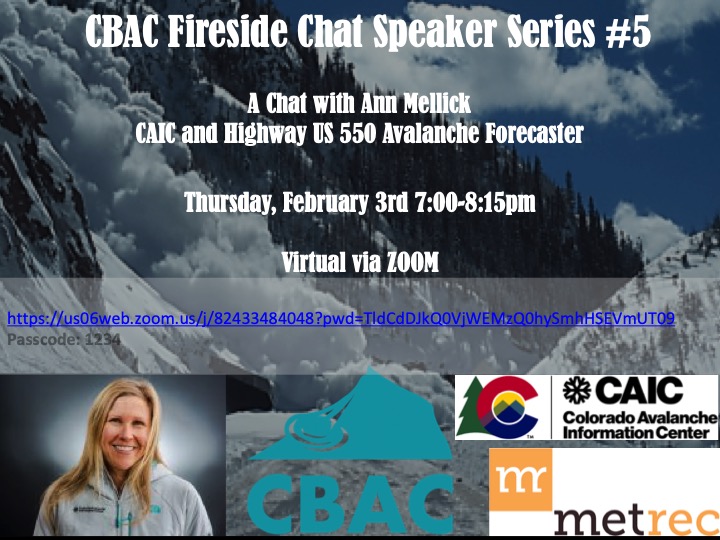
Join us virtually with a regional guest Ann Mellick, seasoned highway avalanche  forecaster for the famed Hwy 550 and  Hwy 145 near Silverton, CO. An informal, conversational meeting with Ann talking about her career, stories, and life of a highway avalanche forecaster on one of the most notorious roads in the lower 48, if not North America.  The CBAC Fireside Chat series has been made possible by support from the Gunnison County Met-Rec District, we cannot thank them enough for their generous support.

Zoom Link to Meeting HERE

Passcode: 1234

Recording of this Fireside Chat will be posted HERE following event.

Passcode for recording: AQ@Cu8!C

Cement Creek

CBACCBAC Observations

Date of Observation: 01/30/2022
Name: Evan Ross

Zone: Southeast Mountains
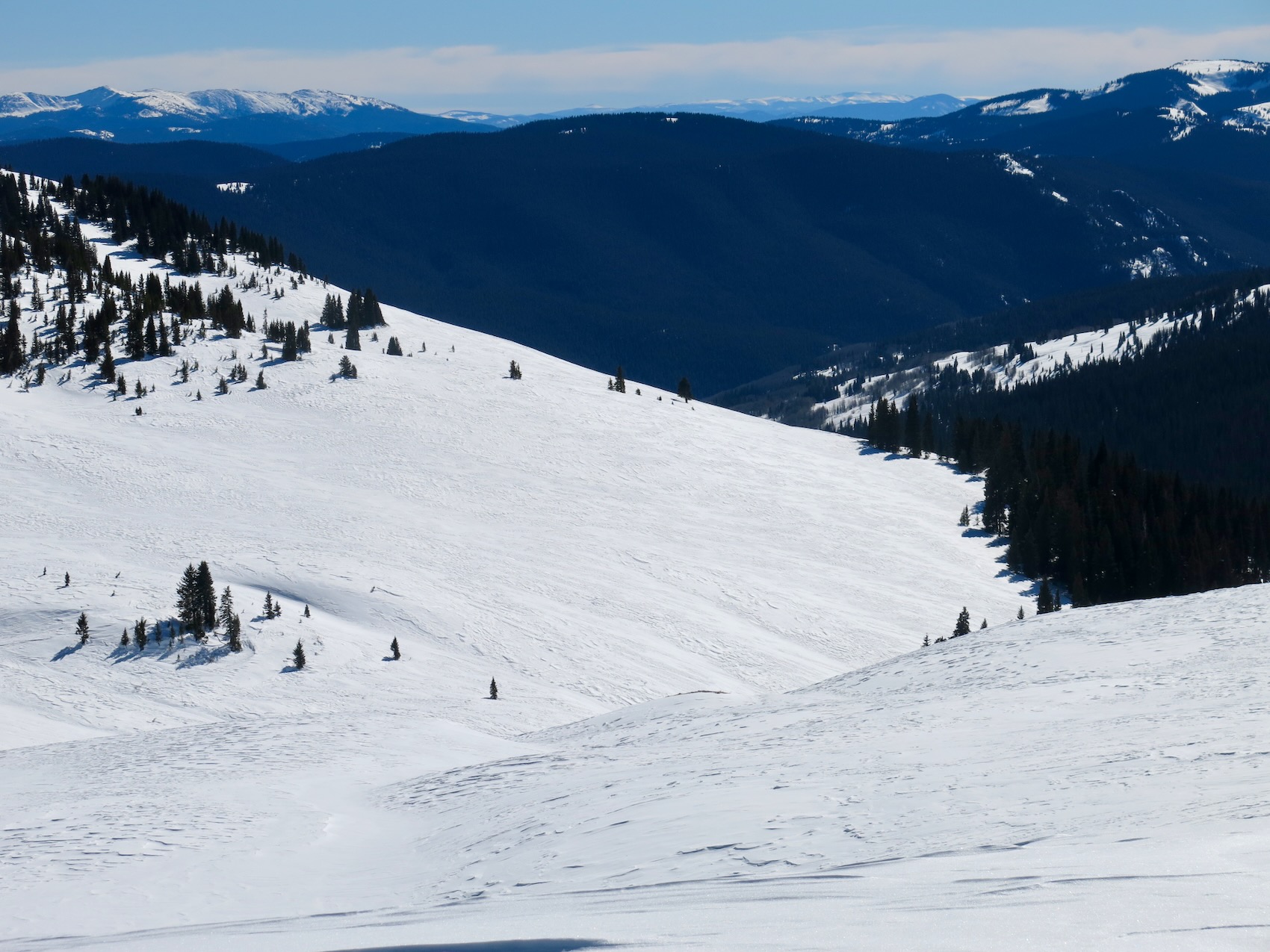
Route Description: Cement Creek primarily between 9,800ft and 12,000ft on a variety of aspects.

Observed avalanche activity: No
Avalanches:

Weather: Another beautiful day. Calm winds.

Snowpack: Nothing notable or different from the currently reported conditions.

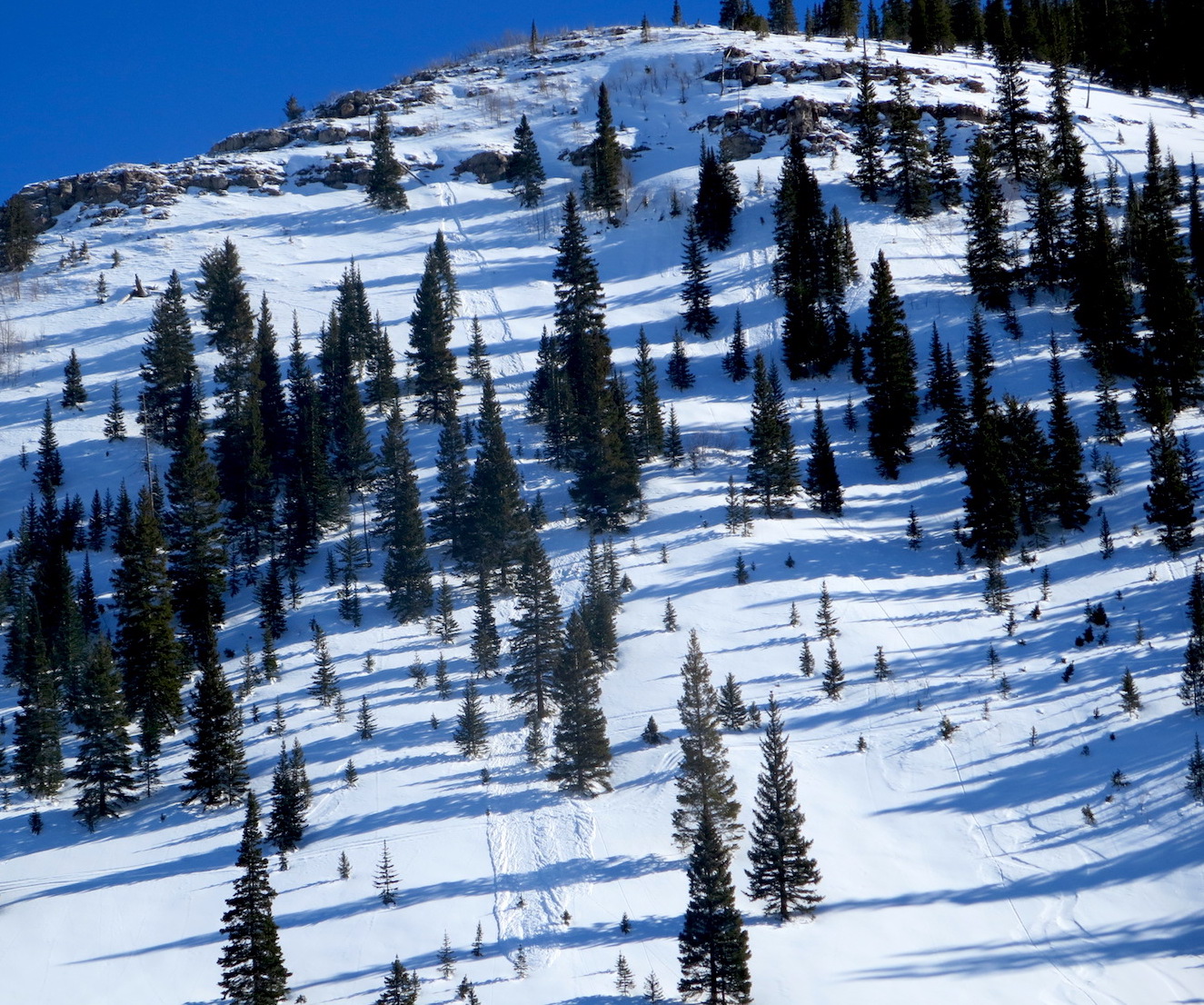
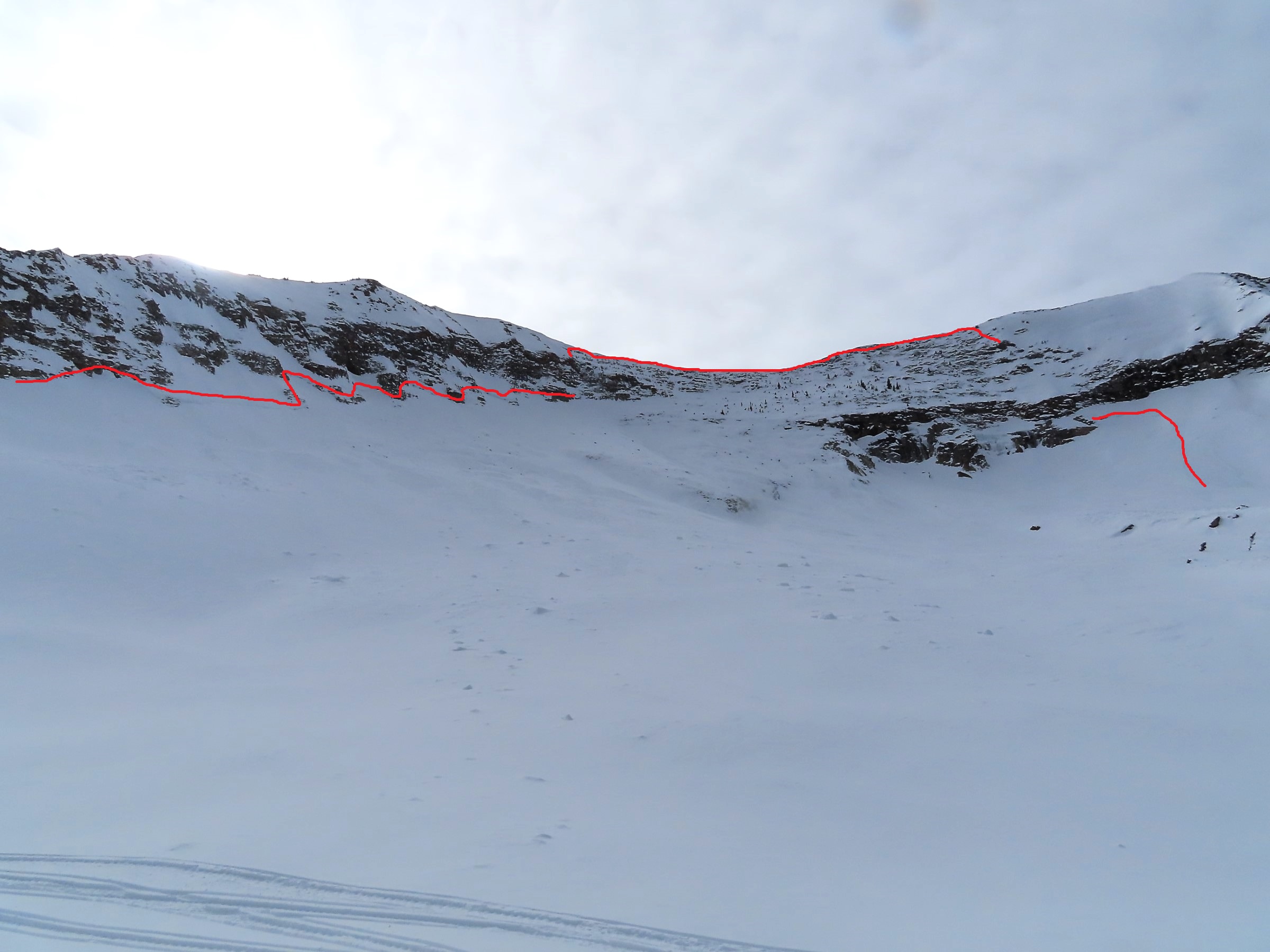
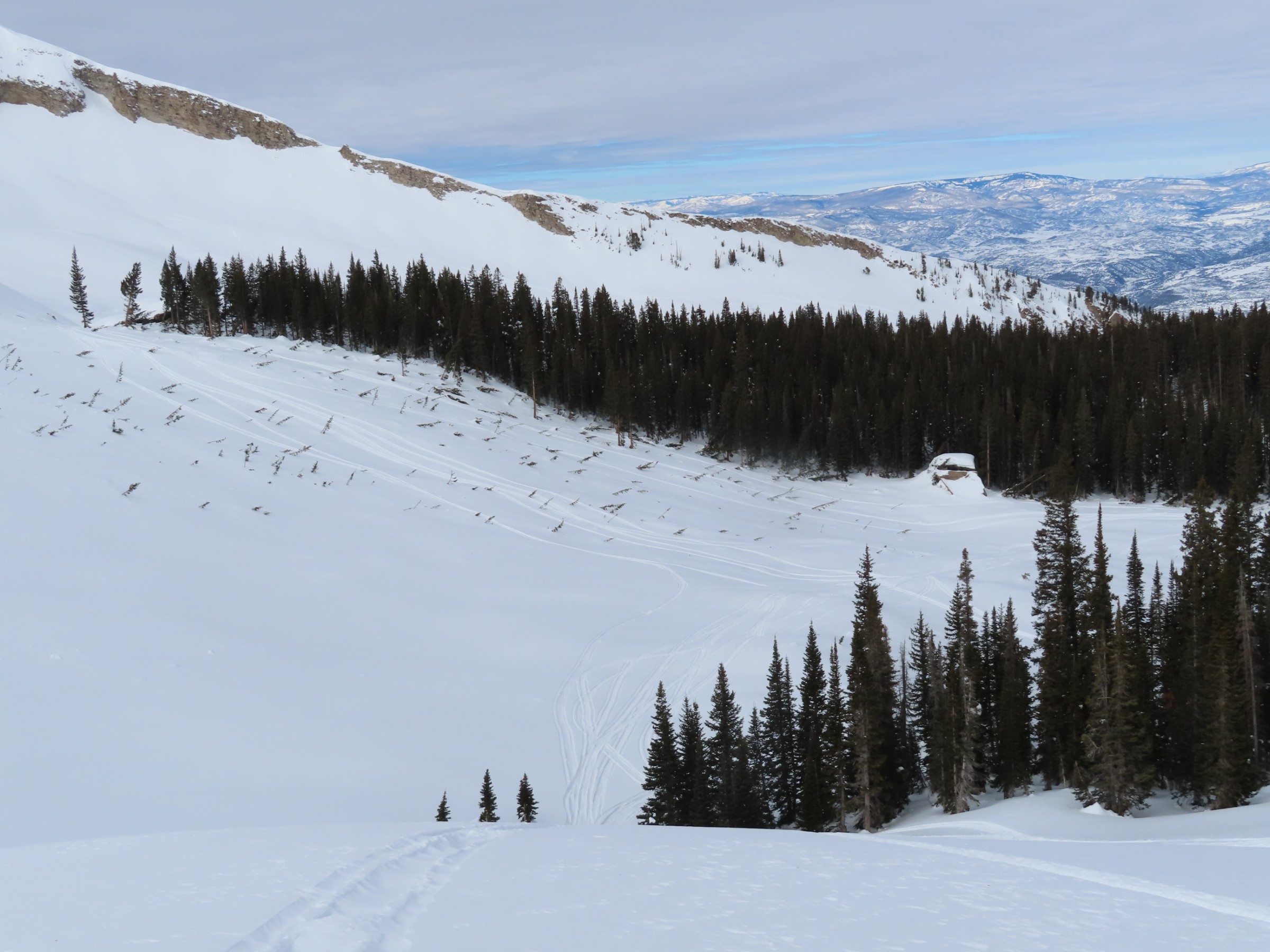
On a northwesterly slope at 10,000ft. There was about 8 to 10 inches of snow for entrainment in a loose dry avalanche. HS here was about 140cm. That tracks about the same for the NW mountains. A sluff in that snowpack would remain small. This location was near the valley bottom and I wondered if the cold air sinking into the valley would lead to a weaker snowpack. While we didn’t travel on these other slopes, northerly facing slopes lower in cement creek and below 10,000ft seem like they would be more significant due to the shallower snowpack and the higher likelihood that a small sluff would gouge and take out the whole snowpack. It’s not often that we see an actual snowpack in some of these lower places.

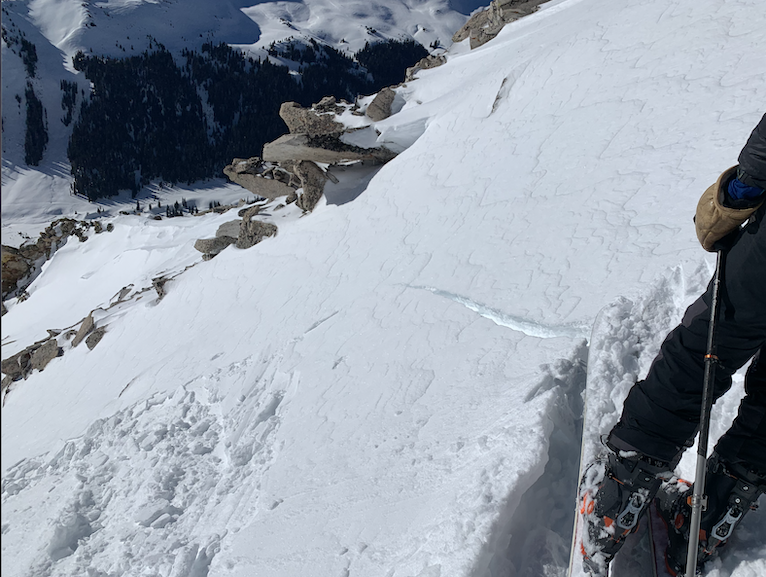
Near and above treeline we didn’t encounter a concern for old wind slabs over faceted snow. No signs of instability while traveling on what we could find for suspect terrain. I wouldn’t completely rule it out, but it sure seemed very isolated. Any of the wind-board that I dug into was already faceting and those slabs seemed like they were older than last Thursday’s wind event. These elevations are really wrecked by previous wind events and there just hasn’t been much snow available for transport.

Photos:

5296
Upper Slate

CBACCBAC Observations

Date of Observation: 01/29/2022
Name: Evan Ross

Zone: Northwest Mountains
Route Description: Purple Ridge on 1/28 and Poverty Gulch on 1/29. N to E 9,500ft to 11,700ft.

Observed avalanche activity: No
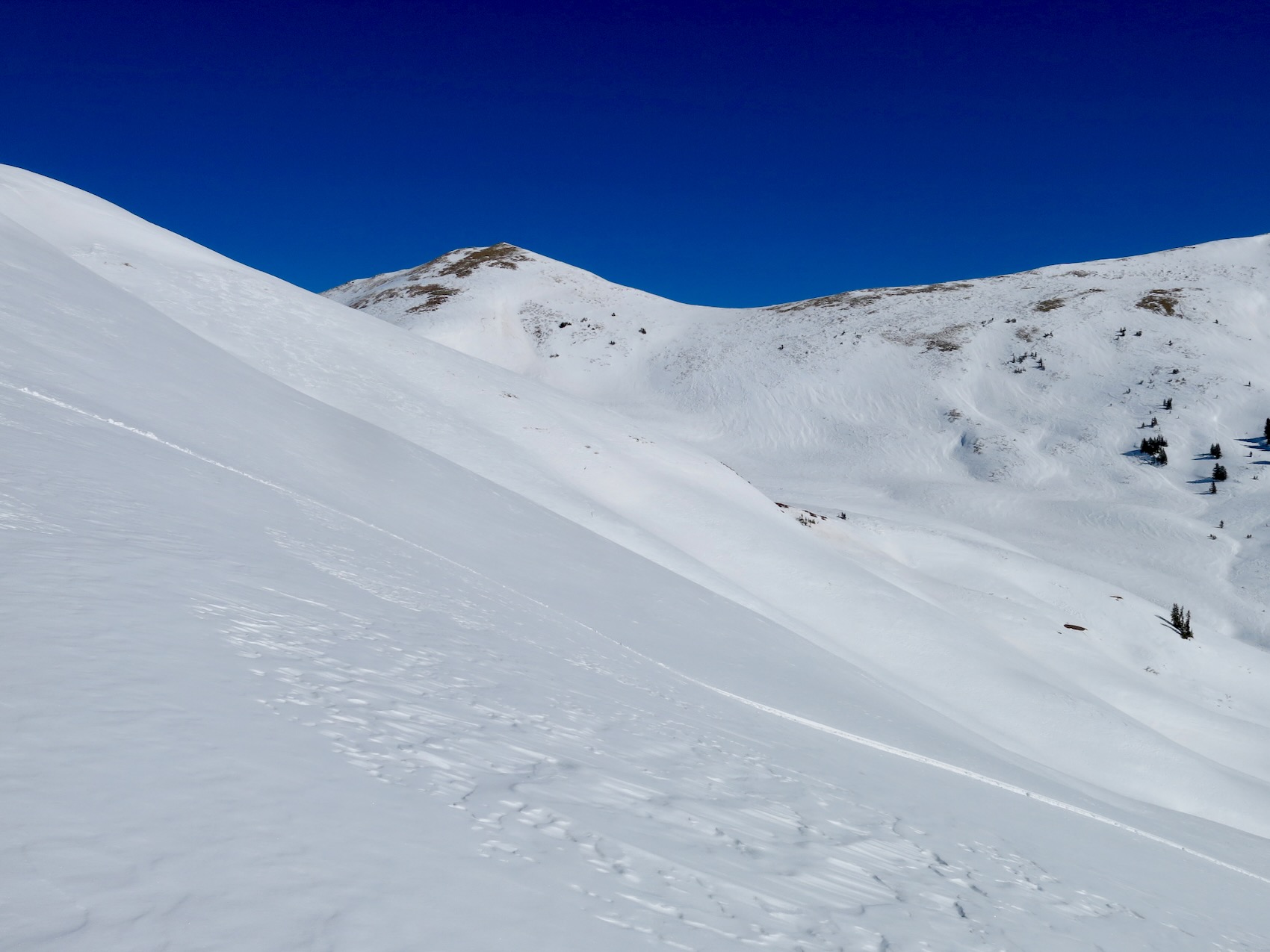
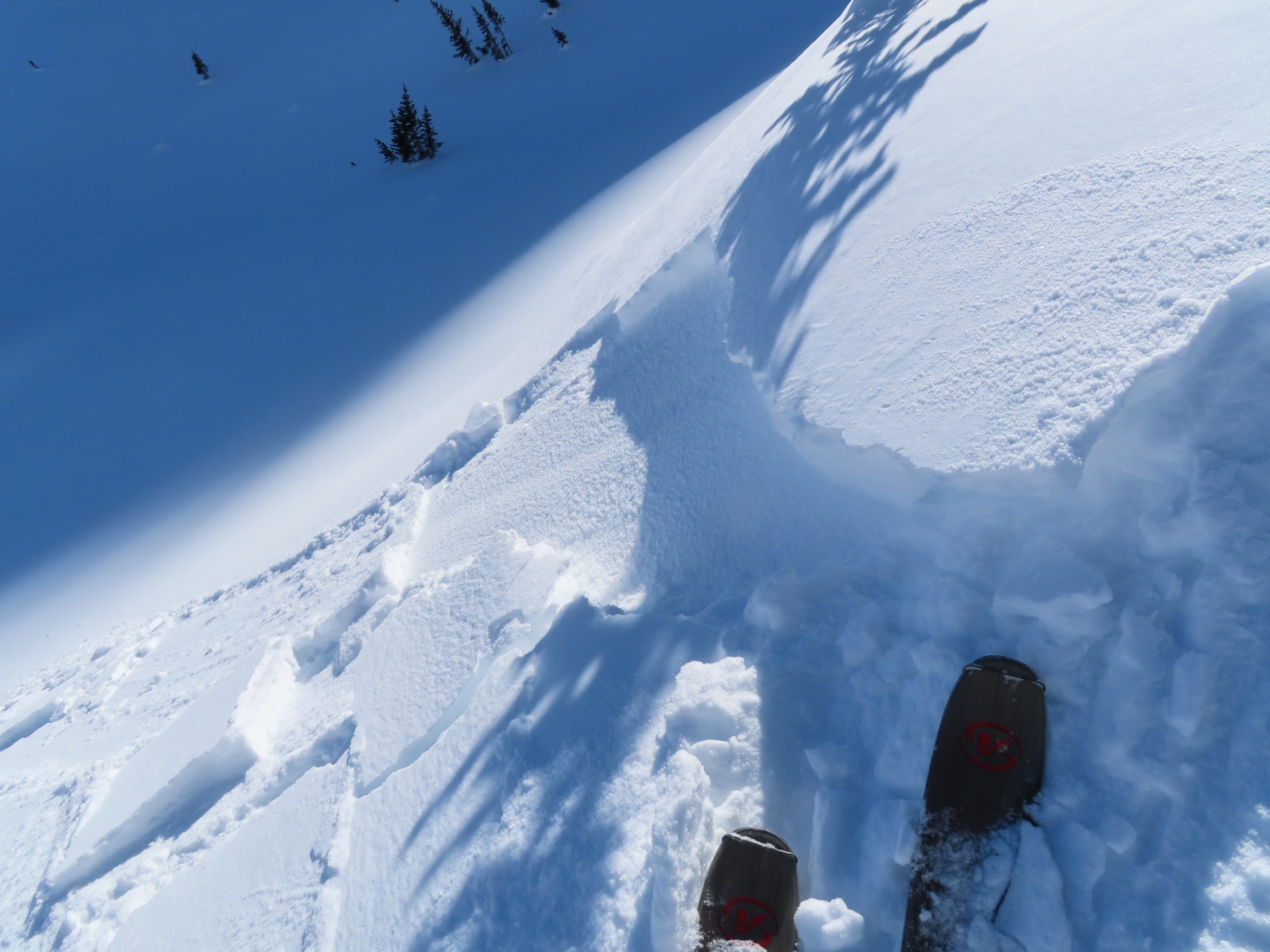
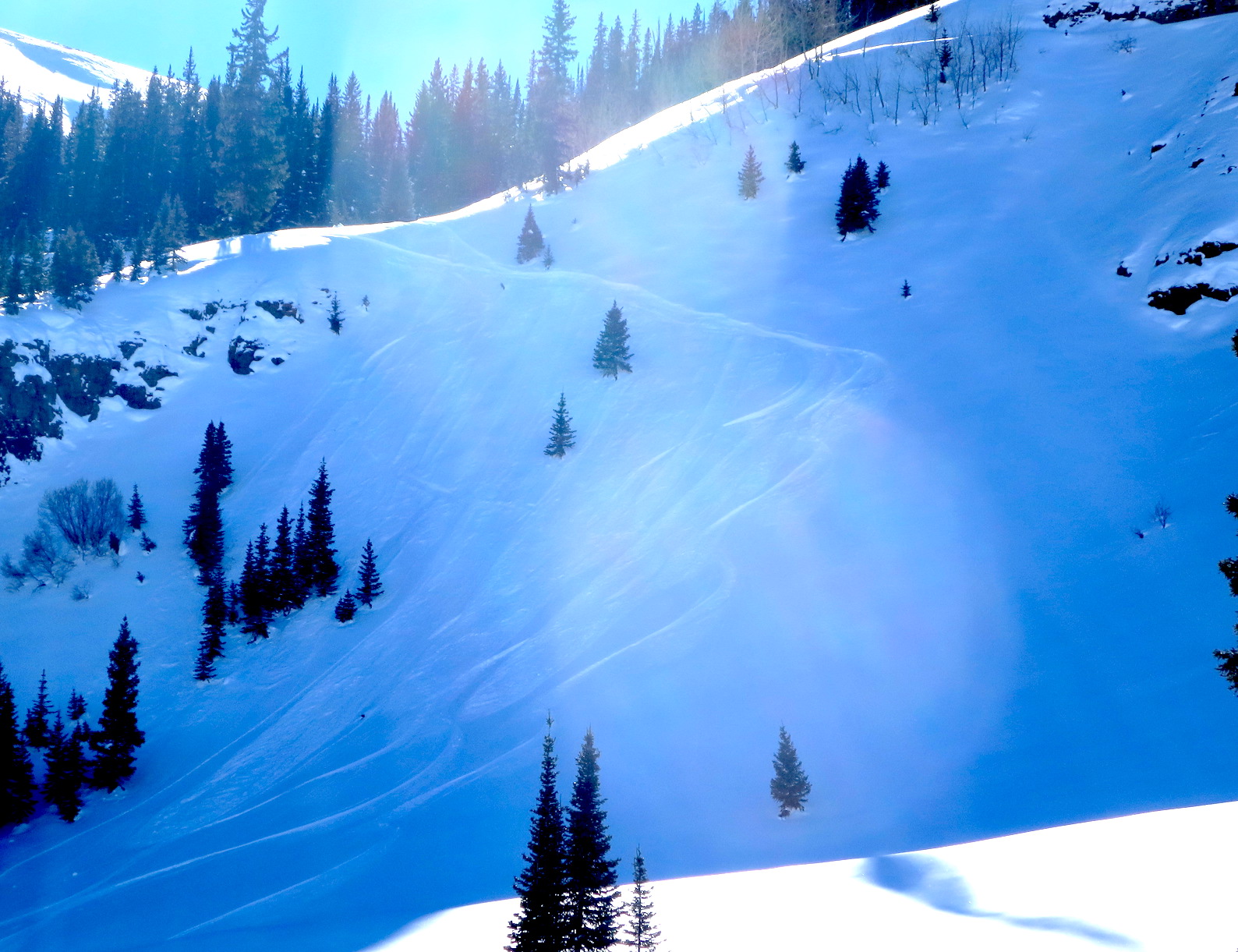
Avalanches: Miner sluffing. A couple of thin, and very small wind slabs from previous days. 1 thin wind slab that was skier triggered today and only a couple inches thick, running more like a sluff.

Weather: Beautiful, sunny and mostly calm wind.

Snowpack: The weakening snow surface continues to offer great skiing where it hasn’t been too affected by previous winds. Sluffs in the area were all small. Lots of good-looking tracks around the area without notable avalanche results other than the small surface sluffs and the 1 thin wind slab thing. Looking down the ruby range, there were some other areas where it looked like you may be able to find a thin wind slab problem.

Photos:

Minor surface instabilities

CBACCBAC Observations

Date of Observation: 01/28/2022
Name: Zach Guy and Jack Caprio

Zone: Northwest Mountains
Route Description: Schuykill Peak. Traveled on NE to E to S aspects to 12,100 ft.

Observed avalanche activity: Yes
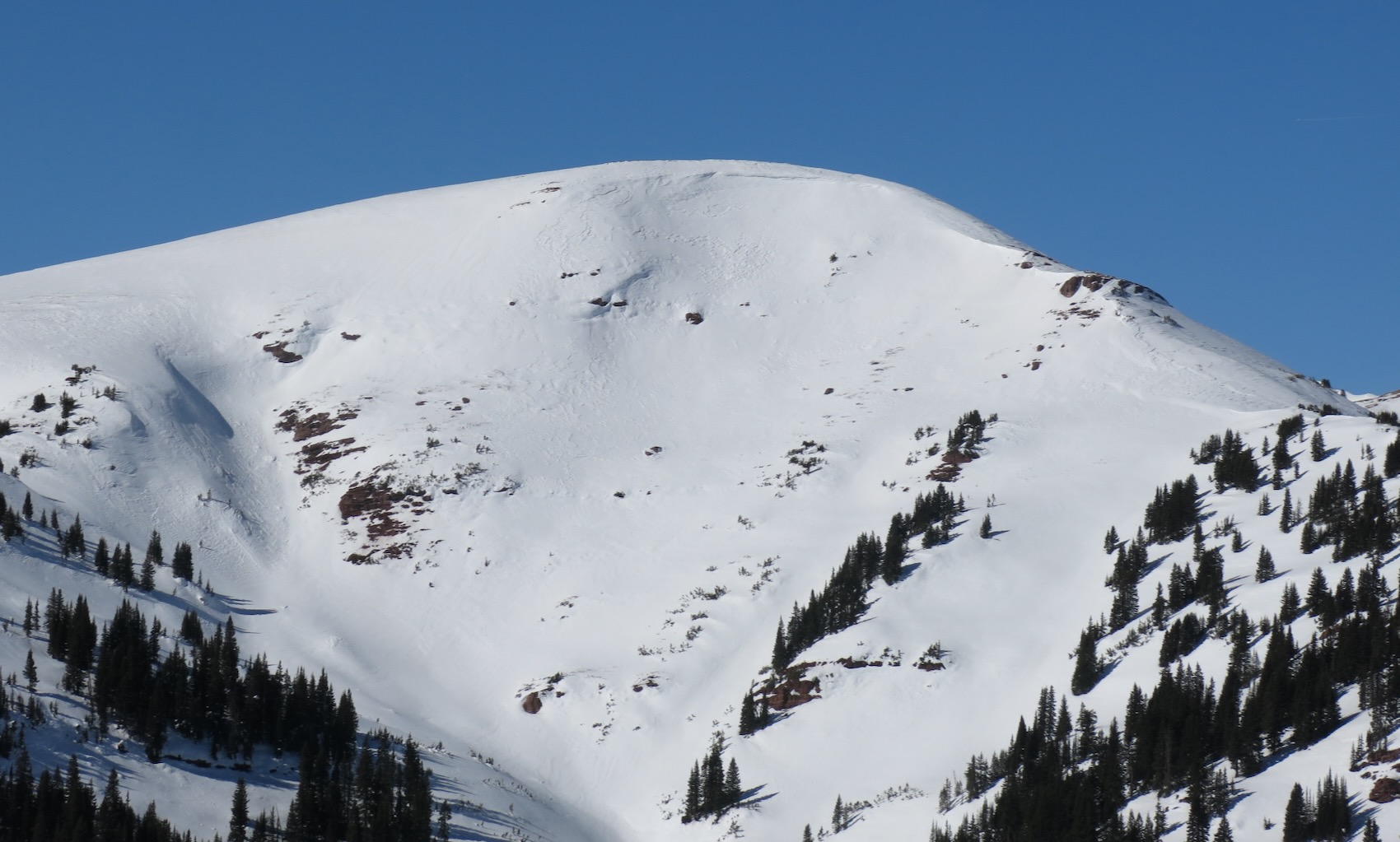
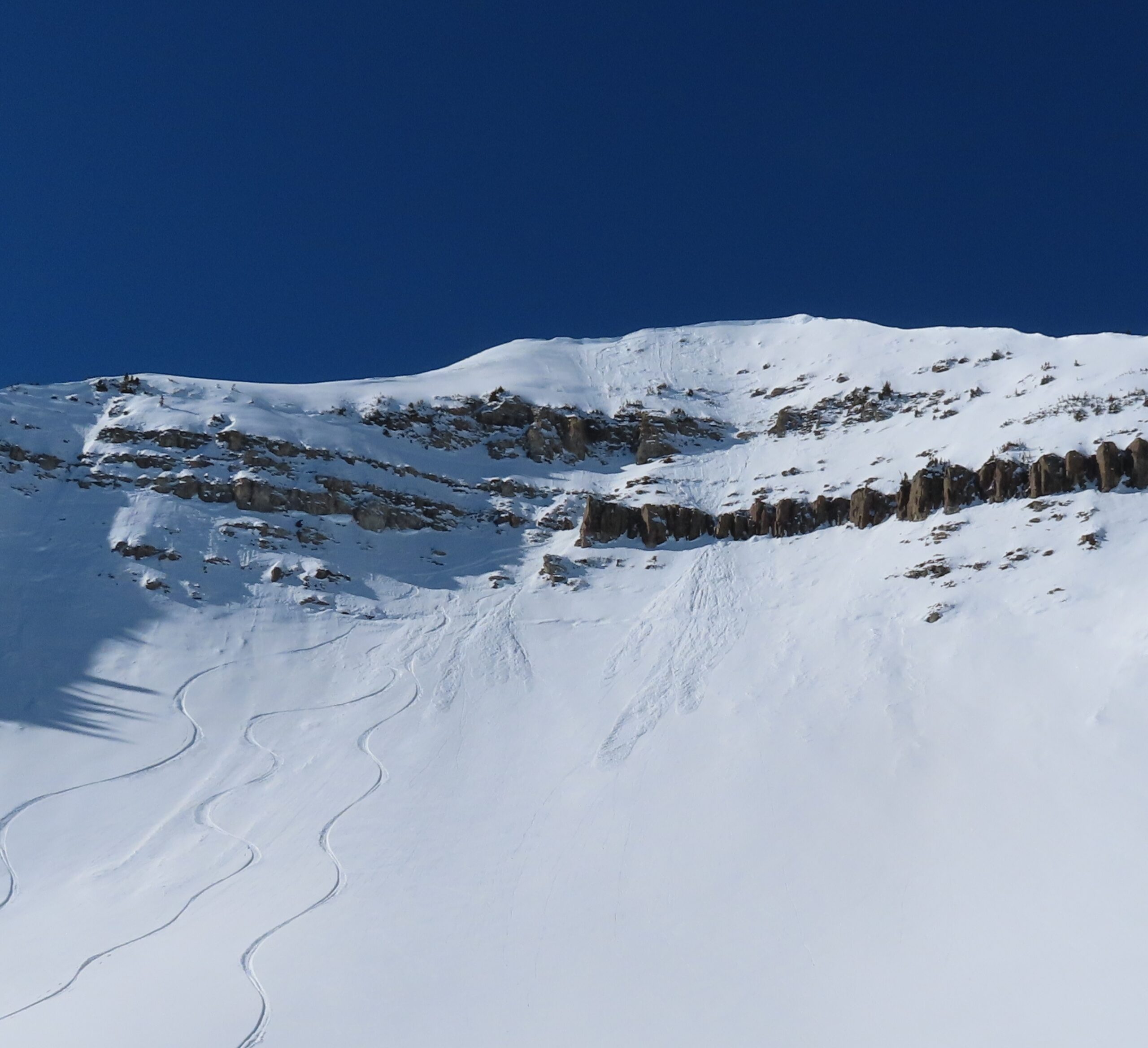
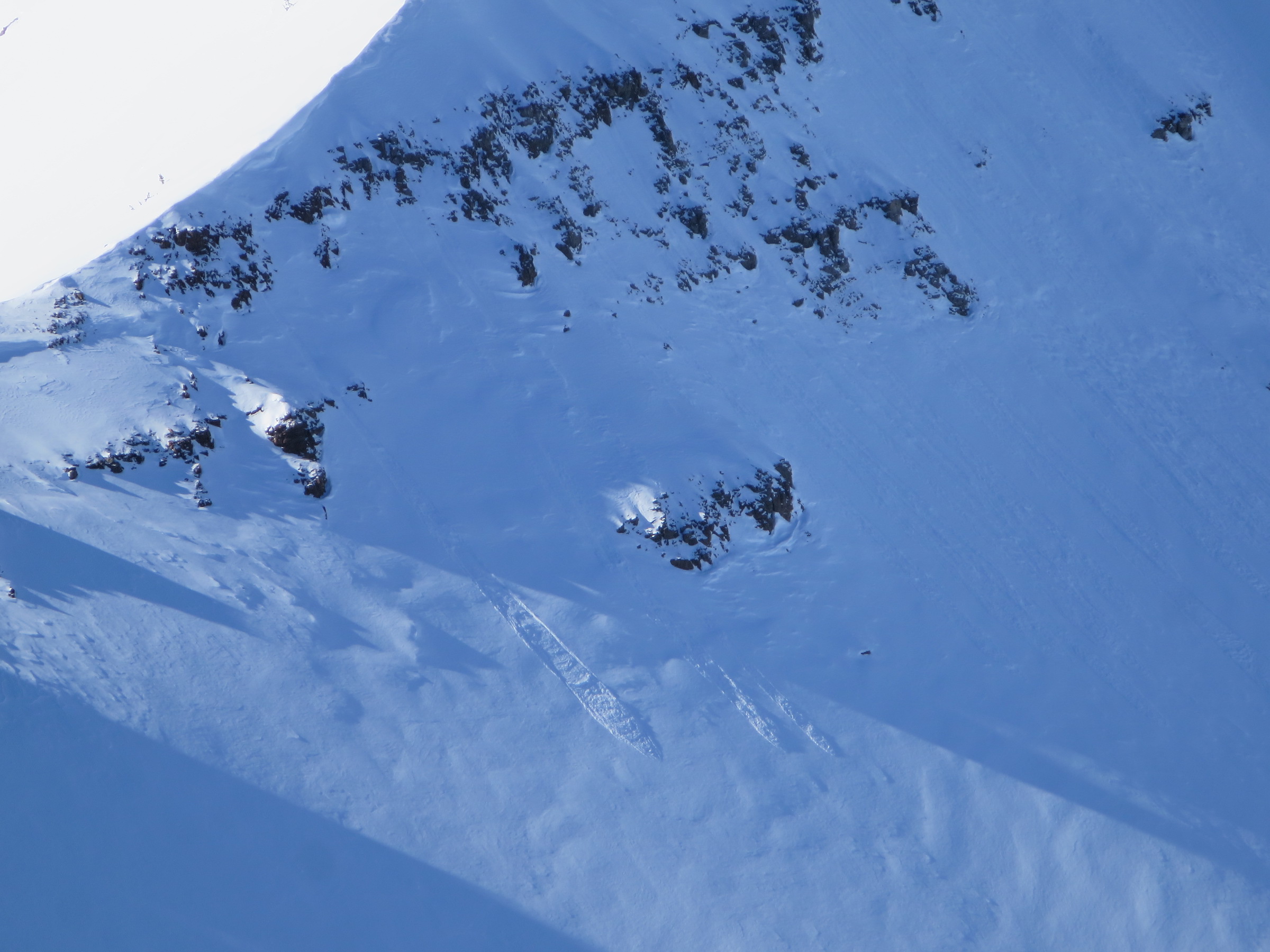
Avalanches: Triggered a handful of shallow sluffs and shallow wind slabs, all harmless in size (D1 or less). See photos of a few of the larger recent avalanches that we spotted involving surface instabilities.
Weather: Another beautiful day above the inversion. Calm winds. Clear skies.
Snowpack: Isolated pockets of drifted snow from 2″ to 5″ thick were reactive on cross-drifted northerly aspects where fresh drifting formed over faceted snow. These were all completely harmless by themselves, but in terrain where they could entrain loose snow below, they could grow large enough to knock you over. Wind slabs were easy to identify because the snow surface became noticeably stiffer and grabbier than all the facet pow skiing.
Sluffing gouged into older faceted snow in shallow areas such as near rocks and very steep terrain. Everything we triggered was D1 in size.
Southerly aspects had a dusting of snow on a thick crust that was supportive to boot pen. Crampons were nice for steep southerlies.

Photos:

5289

Weak surfaces on shady terrain and Loose Dry avalanches

CBACCBAC Observations

Date of Observation: 01/28/2022
Name: Eric Murrow

Zone: Northwest Mountains
Route Description: Standard Axtel skin track up to treeline and descend 2nd Bowl

Observed avalanche activity: Yes
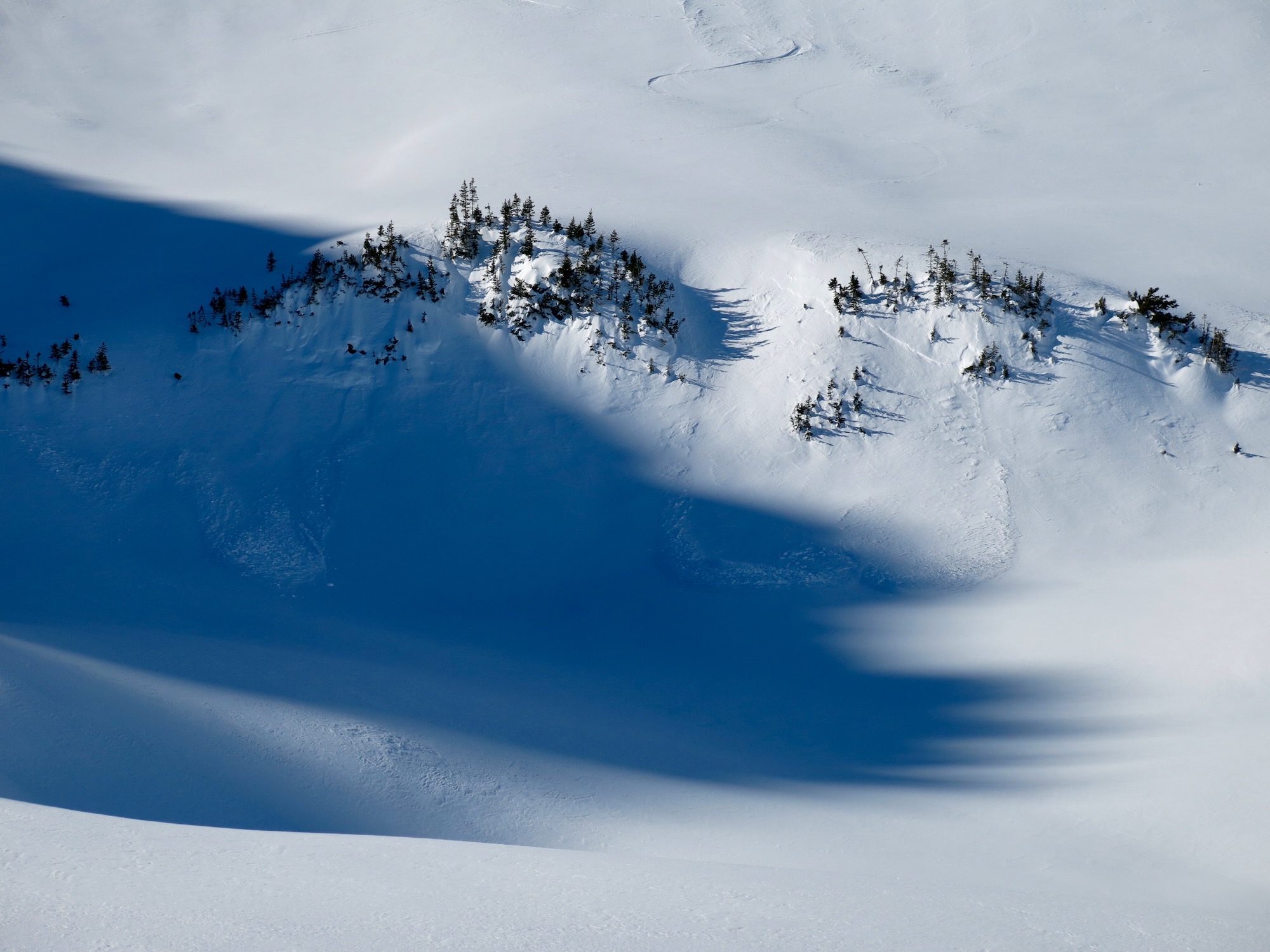
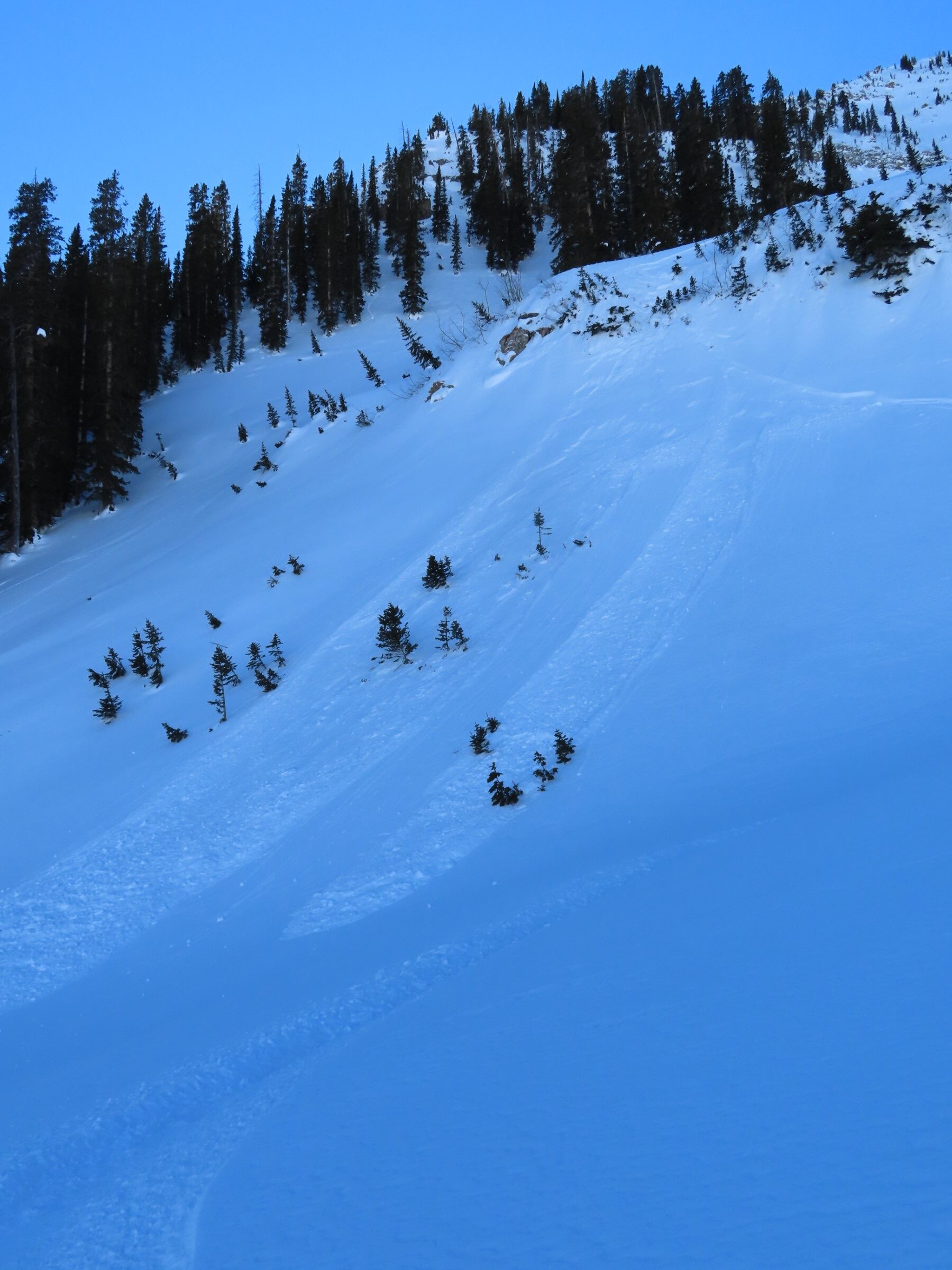
Avalanches: I was able to easily skier trigger small Loose Dry avalanches on sheltered northerly terrain. Most remained in the D1 range, but a few features reached D1.5. The larger Loose avalanches came on longer running slopes where the snow was able to entrain more mass and on the very weak snowpack in 2nd Bowl (previously avalanched at the ground around 12/31).
Observed small natural avalanches on a drifted, east slope of Coon Basin on Mount Emmons, and leeward, northeast terrain on Whetstone’s M-Face. Visibility was too poor to tell if these were shallow Wind Slabs or Loose Dry avalanches.
Weather: Mostly cloudy skies produced around 1 inch of snow by 230pm and skies cleared by sunset.
Snowpack: I traveled on northerly terrain from 9,400 to 11, 600 feet. Sheltered terrain with a deeper snowpack, around 3 feet or more, has up to about 8 inches of weak surface snow for Loose Dry avalanches. In 2nd Bowl, where the snowpack is shallow and weak from a previous very large avalanche, I was able to trigger sluffs that entrained much of the meager snowpack. Facets on this bed surface are well-developed 1-1.5mm in size. The terrain I moved through helped to confine the moving snow and prevented it from gaining much mass. The skiing in 2nd Bowl was fairly unsupportive and poor in the upper portions of the bowl.

Photos:

5287

Stellars on facets

CBACCBAC Observations

Date of Observation: 01/26/2022
Name: Zach Kinler and Mark Gober

Zone: Southeast Mountains
Route Description: Mt Emmons, Kebler to Slate. 9,000′-12,000′

Observed avalanche activity: Yes
Avalanches: A handful of small dry loose avalanches in steep, shady terrain. Some natural, some skier triggered on slopes greater than ~38 degrees.
Weather: Fairly cold but it is January. Inversions remained at valley bottom and north breezes kept the alpine chili. Lots of sun.
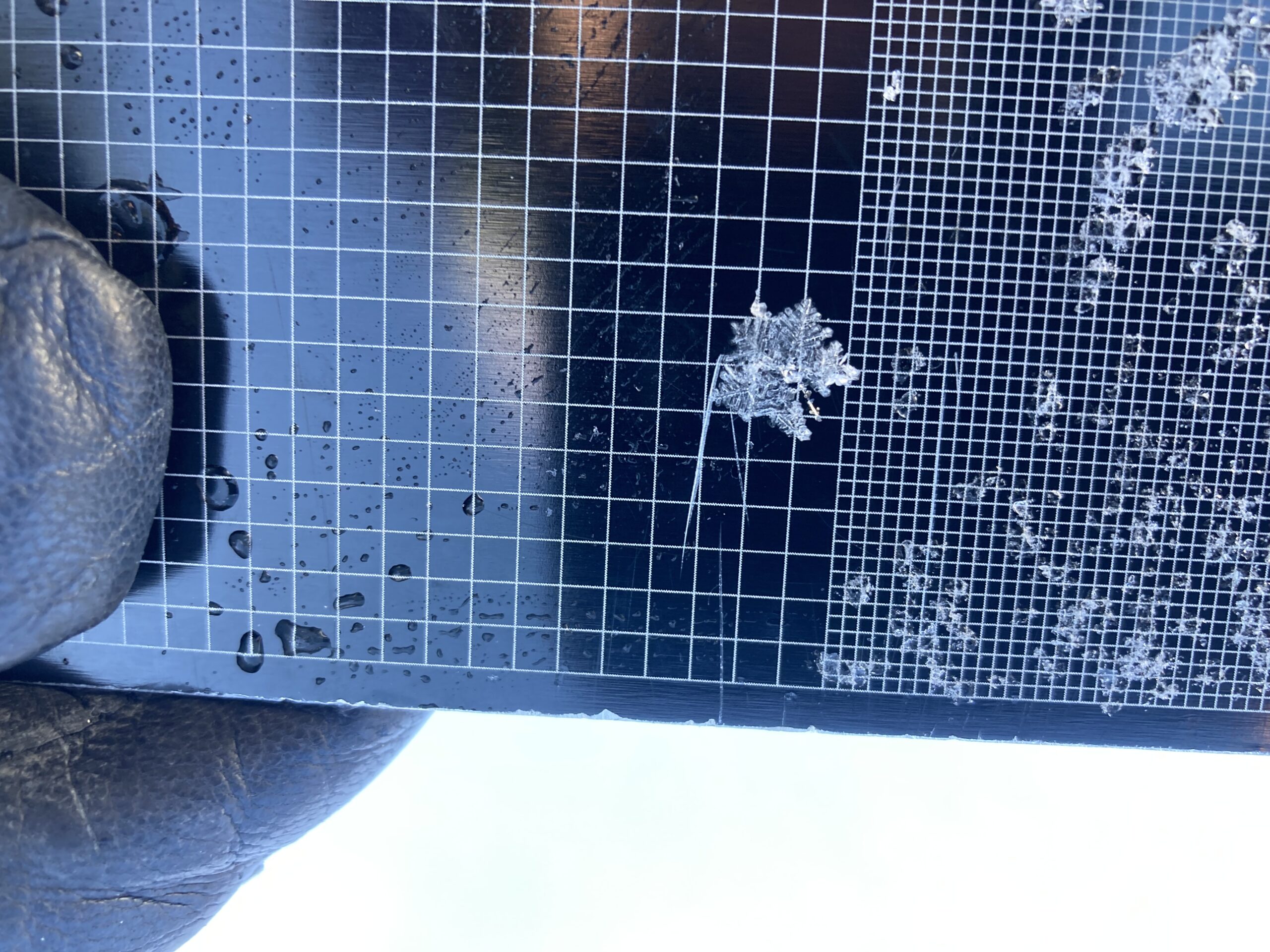
Snowpack: 2″ of very low-density snow fell overnight. These large, plate-like stellars will be quick to facet on the shady side of the compass. Combine this new snow with the 3-4″ of snow from the previous clipper all resting on a faceted surface from the January dry spell, and the loose dry avalanches on steep shady aspects are gaining some momentum especially below treeline, however, the largest ones observed remain fairly small, slow running and easy to manage at this point.


[/gravityforms]
5285

Fluff in the Ruby Range

CBACCBAC Observations

Date of Observation: 01/26/2022
Name: Zach Guy and Jack Caprio

Zone: Northwest Mountains
Route Description: Traveled on various aspects on Mt. Owen and Mt. Afley near and above treeline

Observed avalanche activity: Yes
Avalanches: Ski triggered a handful of very thin wind slabs in a high elevation, northwest facing gulley. The slabs were 5 to 8 ft wide and a few inches thick. One entrained enough soft snow to knock someone over. Traveled through Silver Basin where there was long-running debris from ~3 very large avalanches that likely ran during the New Year’s Eve cycle. All three slides ran far into their runouts but didn’t appear to expand trim lines.
Weather: Cold temps, clear skies above an inversion cloud which burned off by late morning. Winds were blowing about 15 mph out of the northwest near summits, causing some light blowing snow.
Snowpack: 2″ or 3″ of very low density new snow. We rode on steep terrain on various aspects without signs of instability apart from some very thin pockets of wind slab near ridgetop. We traveled across several windward slopes near and above treeline (NW, W, and SW facing). The snowpack there is shallow and pretty weak. The snowpack is faceted throughout; you can easily sink a ski pole to the ground on all but the most heavily crossloaded features. Last Friday’s snow (1/25 interface) has faceted on most aspects (.5 mm, fist) or melted into a soft crust on southerly aspects. The 1/21 interface changes from a thick crust capping facets to a thin crust surrounded by facets to just weak facets as you move from SW to W aspects (see photo).

Photos:

5284

Small avalanche problems in the far eastern portion of Southeast Mountains

CBACCBAC Observations

Date of Observation: 01/26/2022
Name: Eric Murrow

Zone: Southeast Mountains
Route Description: Snowmobiled out Cement Creek to Italian Mountain. Ascended westerly facing terrain to the summit. Descended east – northeast terrain into Italian Creek and reclimbed to the summit and descended westerly-facing gullies.

Observed avalanche activity: Yes
Avalanches: Skier triggered a tiny Windslab immediately below ridgetop above treeline and released a few small loose avalanches on steep easterly-facing terrain. There was very little soft snow above the treeline on north through east slopes which greatly limited the amount of snow for entrainment.
Weather: Clear skies and cool temperatures. Winds increased out of the northwest in the late morning and blew around the little bit of recent snow. Very little loading was observed. Winds eased significantly in the afternoon around 2pm.
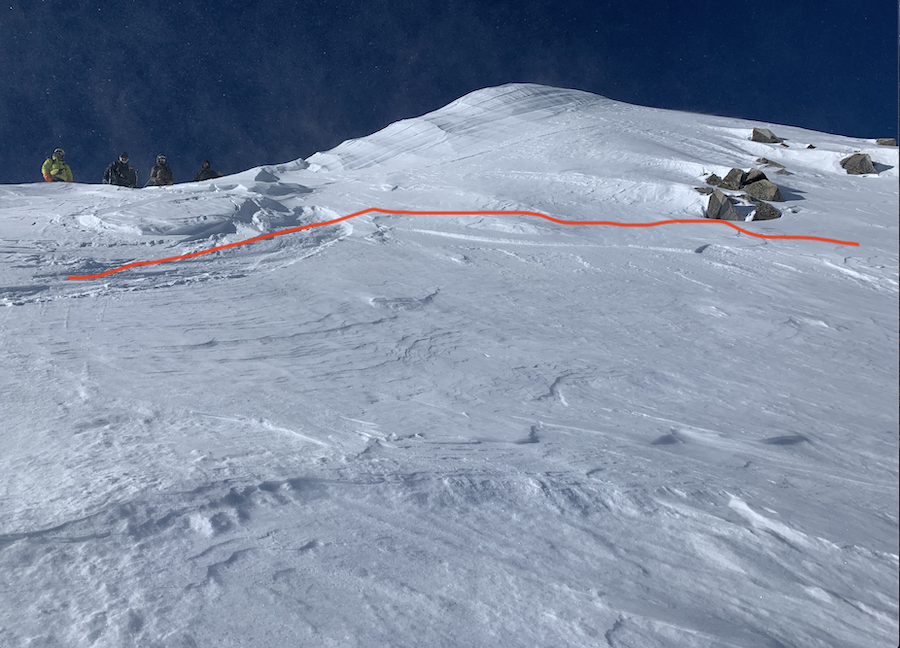
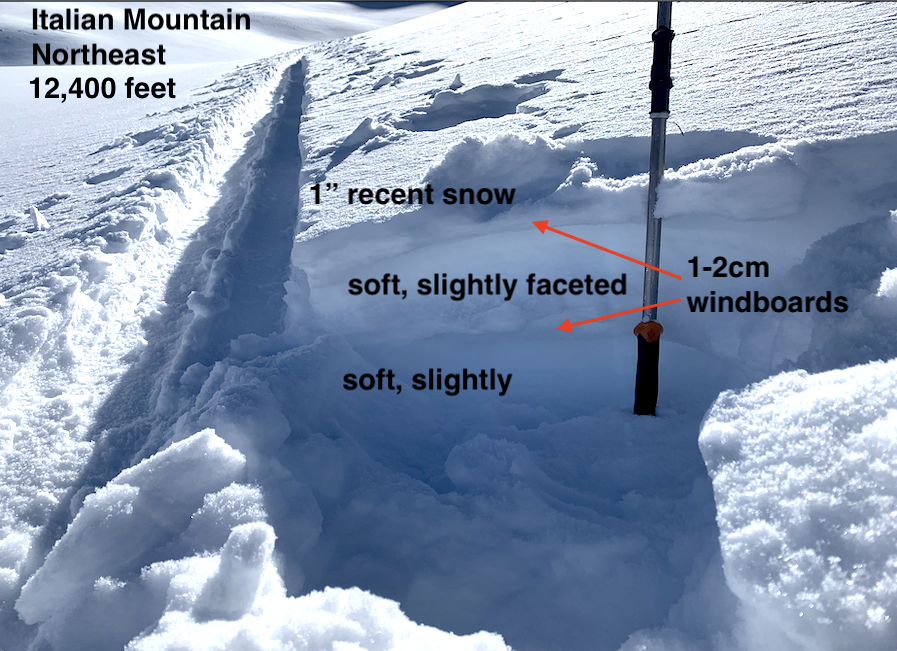
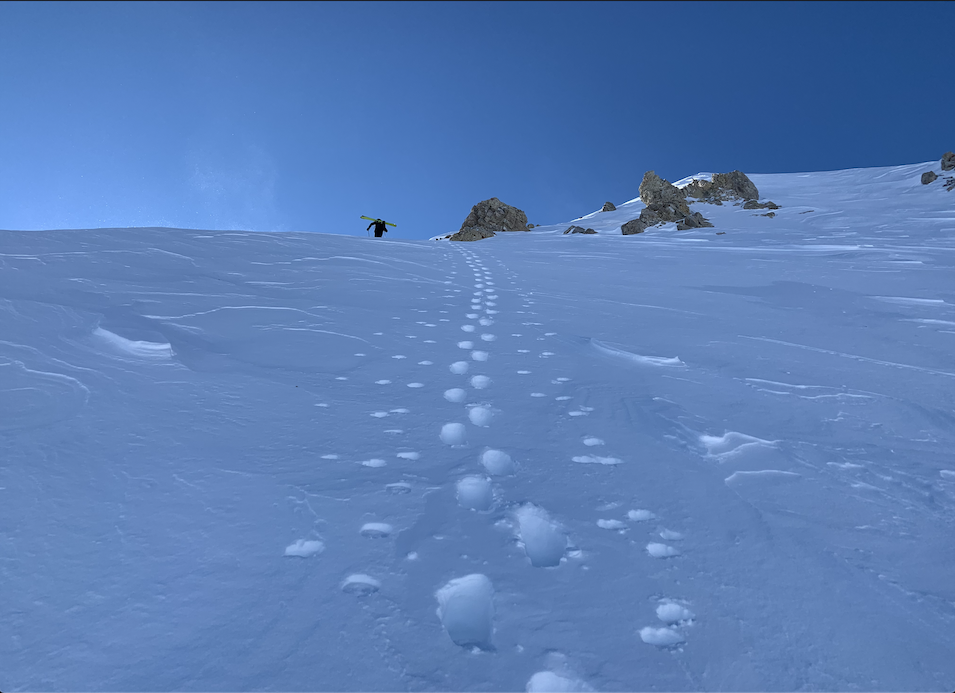
Snowpack: Traveled on westerly slopes at all elevations and found soft, lightly faceted surfaces below treeline and mostly windboard with isolated pockets of soft snow near and above treeline. Northeast and east slopes above treeline have been beaten up by the wind in most places leaving a mix of supportive and breaker windboard with pockets of soft snow. Softer conditions became more common near treeline. Probing north through east terrain from 12,000′ – 13,000′ revealed snow depths averaging around 230cm. Thin, small, and stiff Windslabs were found on west, northeast, east, and southeast alpine features; all were small and only posed a hazard if you were knocked down over exposed terrain.

Photos:

5283

West Beckwith Lumber Company

CBACCBAC Observations

Date of Observation: 01/24/2022
Name: Zach Guy

Zone: Northwest Mountains
Route Description: Rode on northerly aspects of East and West Beckwith to about 11,300′

Observed avalanche activity: Yes
Avalanches: Noted 3 shallow soft slabs that ran naturally above treeline sometime in the past few days, D1 in size. Added a couple more previously undocumented old slides from the 12/31 cycle on West Beckwith. I explored the damage from the largest slide on West Beckwith. The crown in the main bowl was about 2,200 ft wide. It’s difficult to tell if it connected or sympathetically released another slide in the adjacent bowl, which would add another 1,500 ft in width. The slide in the main bowl ran about 3,800 feet downhill. It widened the trim line on either side of the track and wiped out about 2+ acres of mature forest at the toe of the debris. I measured the alpha angle at 19 degrees on my phone’s inclinometer, and calculated 18 degrees on Google Earth.
Weather: Clear skies this morning increased to overcast this afternoon. Light winds.
Snowpack: I found 2-3 mm surface hoar growth from below treeline to my high point at 11,300 ft. There’s been enough recent wind effect in this area to reduce the threat of sluffs near and above treeline and replace it with small wind slab potential. I sniffed around a bit for wind slabs and got one rollover near treeline to produce 10 foot cracking about 10 inches deep on the 1/21 facet layer. No other signs of instability. The snowpack gets shallower the further west in the range you go. Near the western end of West Beckwith, snow depth at 10,000 ft is 1 meter. The slab there is faceting away and becoming unsupportive to boot pen.

Photos:

5280