
Documenting weak layers on southerly aspects

CBACCBAC Observations

Date of Observation: 02/20/2022
Name: Zach Guy

Zone: Northwest Mountains
Route Description: Snowmobiling Kebler Pass area targeting southern half of compass in Robinson Basin to Evan’s Basin, up to 12,600 ft.

Observed avalanche activity: Yes
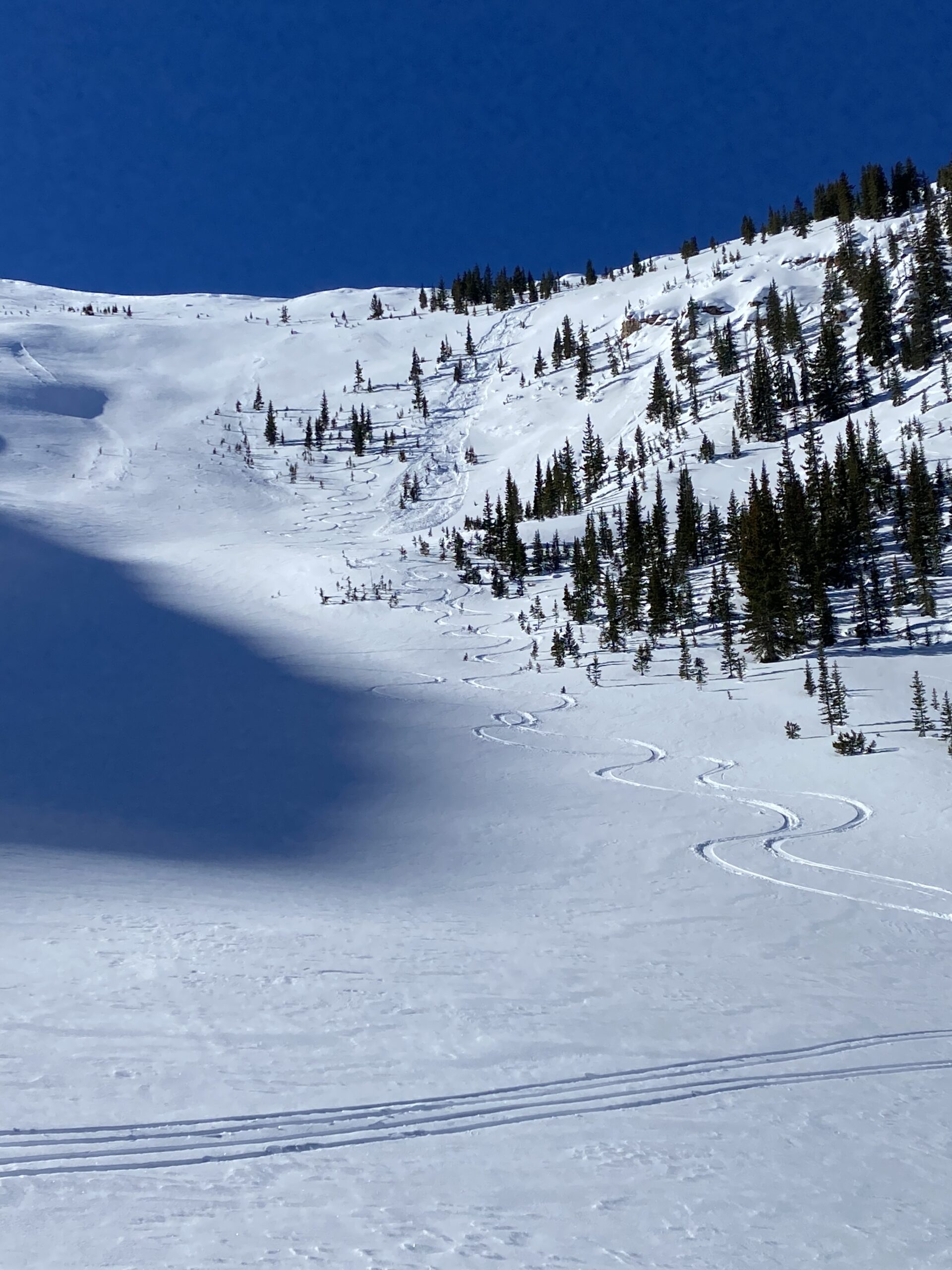
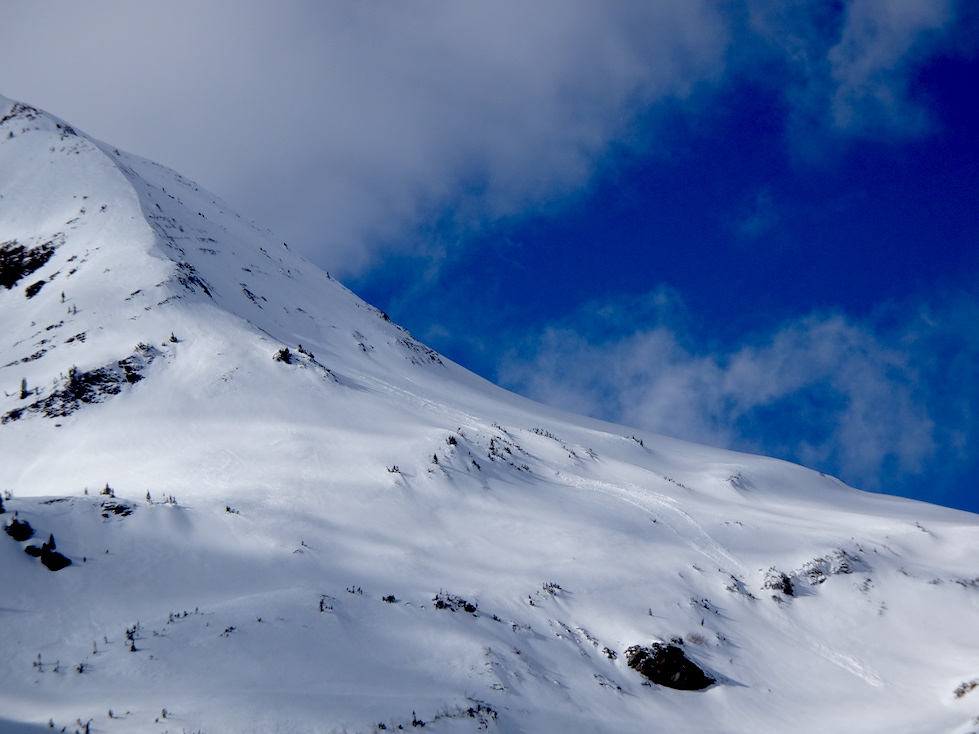
Avalanches: A couple of harmless wet loose sluffs on the SE side of Purple Peak ran today.
Weather: Light winds and minimal snow transport. Clear skies. Mild temps.
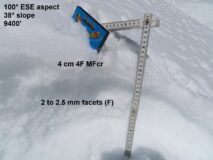
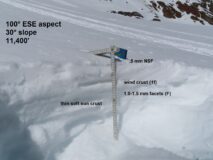
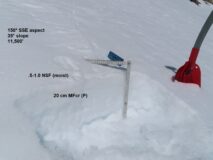
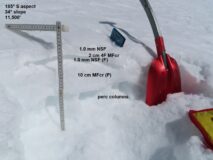
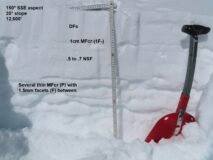
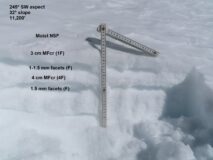
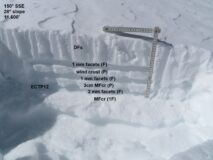
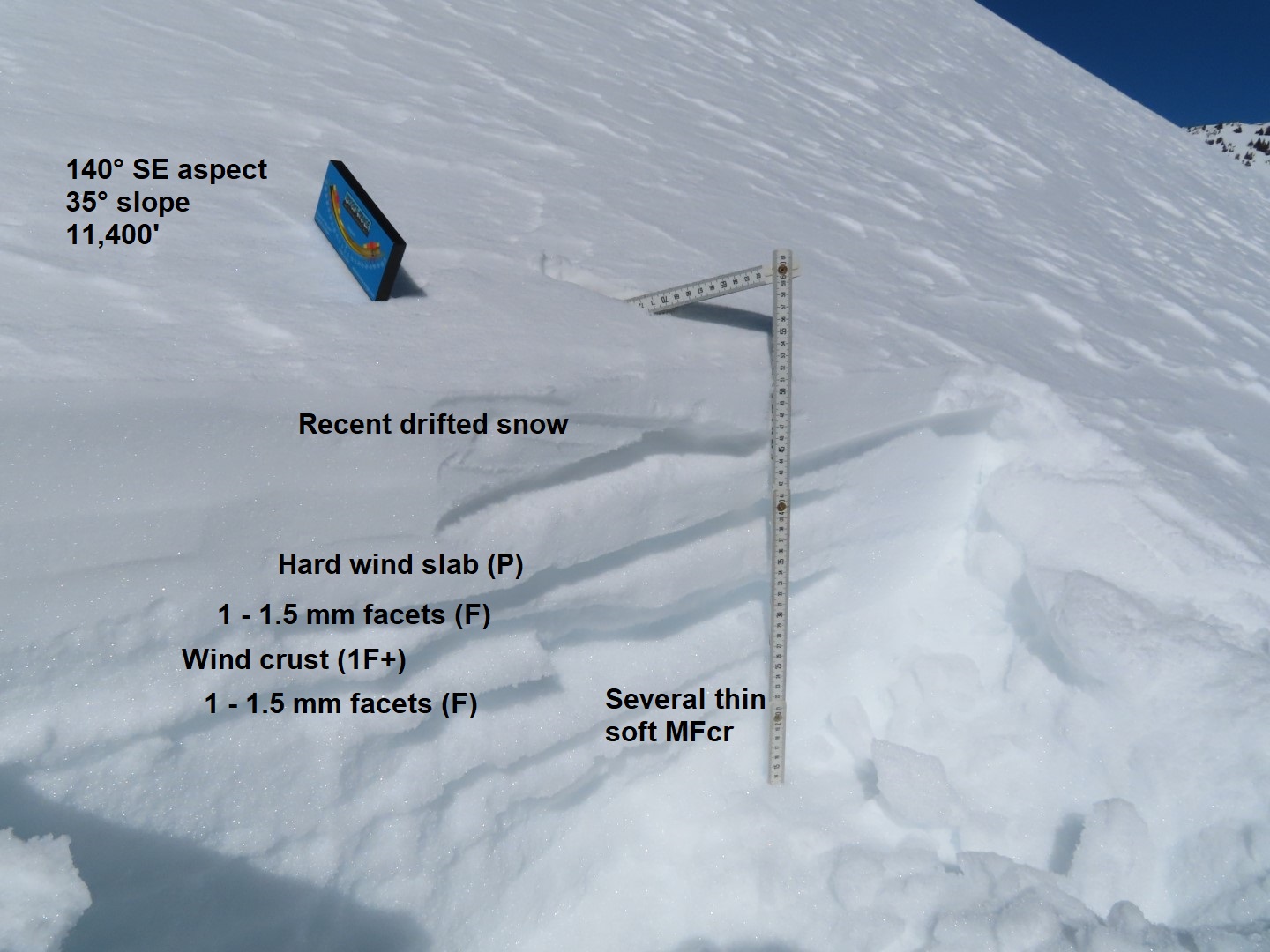
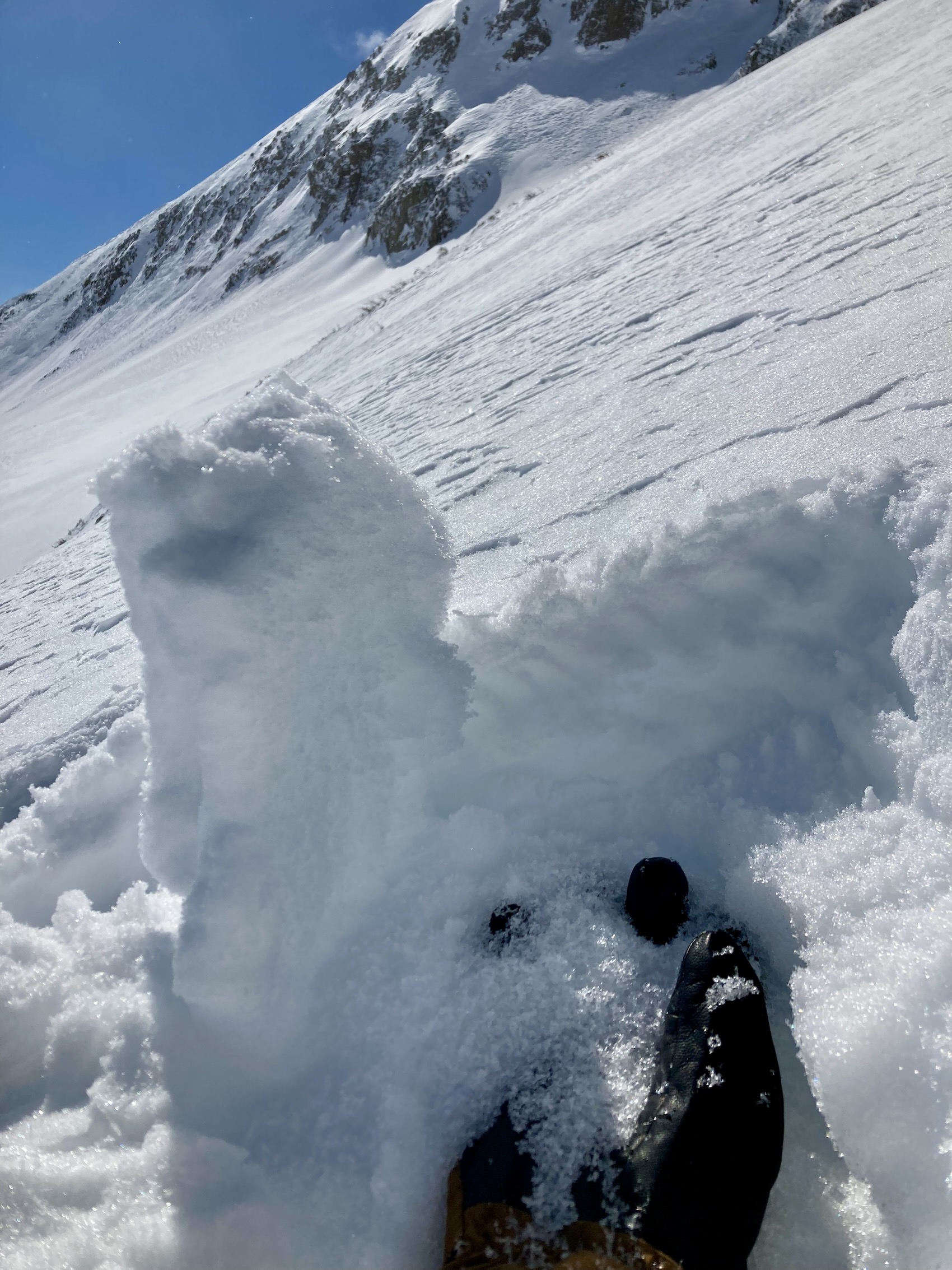
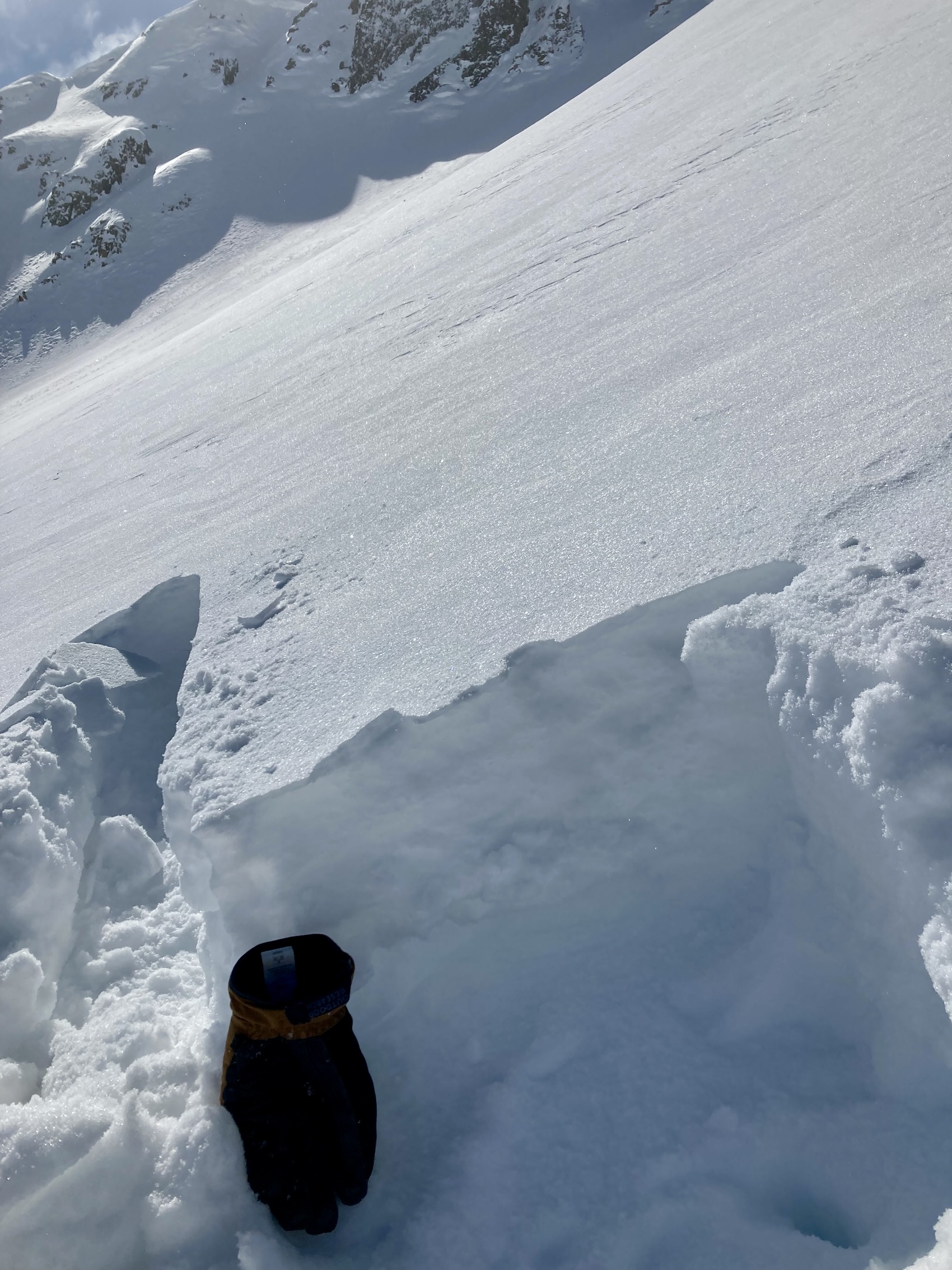
Snowpack: We know the north half of the compass is going to be trouble with our current weak layers. Today’s objective was to get a pulse on the near-surface weak layers on the southern half of the compass before the storm. In general, there are two layers of concern worth monitoring on the sunnier aspects.
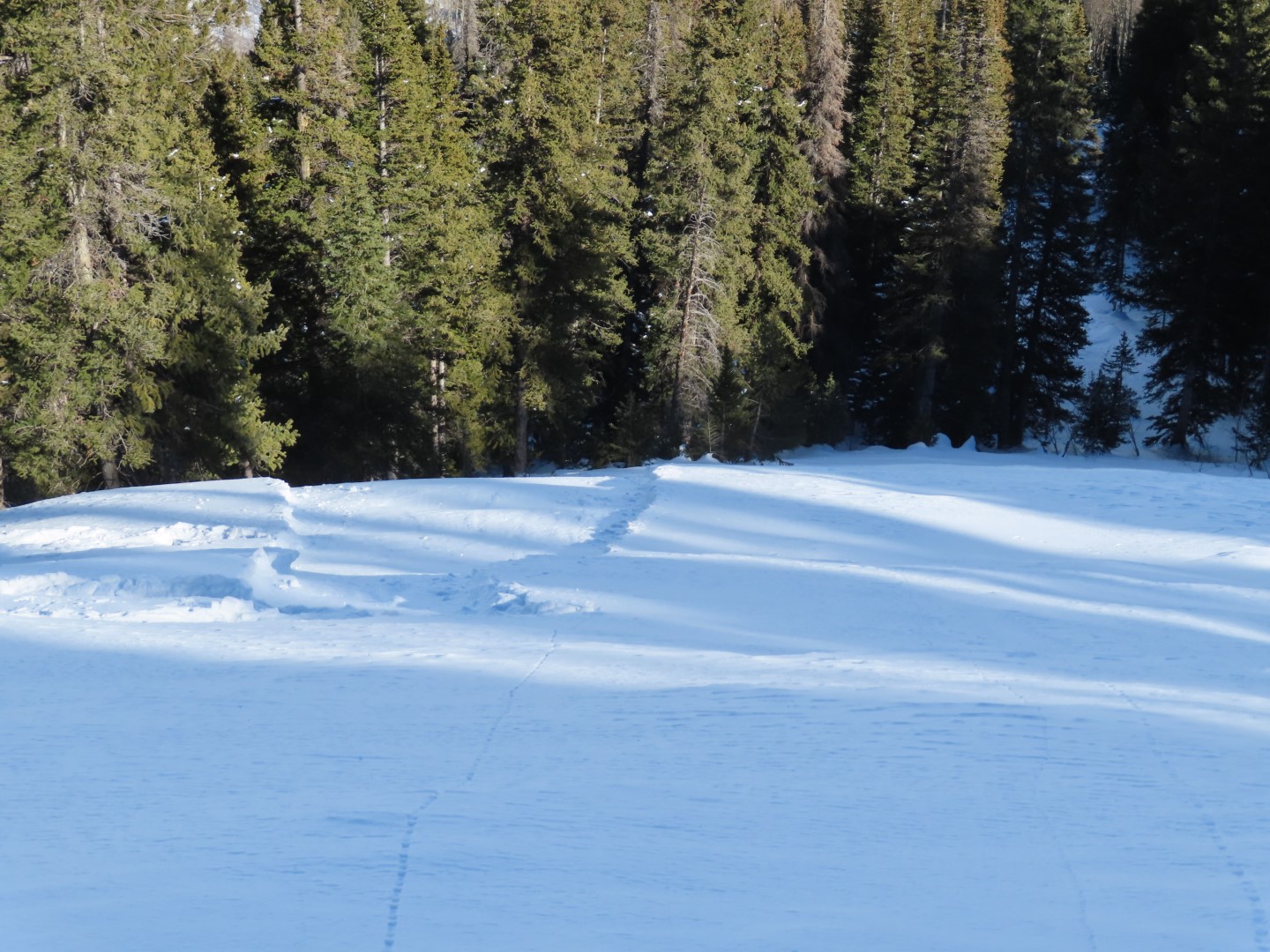
1) The prolonged dry spell layer is well developed, quite weak, and fairly uniform across all aspects (typically 1.5 or 2.0 mm in size), below one or several sun crusts. The saving grace is that these crusts are thick and strong on the most southerly facing slopes. Crusts become thinner, softer, and more collapsible somewhere around ESE and WSW. There are quite a few variables contributing to crust thickness; in general, the crusts are thicker on steeper start zones, at lower elevations, and in more wind-protected cirques or terrain which get hotter. Higher elevation, moderate angled start zones (34 to 38 degrees) that have seen enough of a breeze to keep surfaces cool have more collapsible crusts on SE and SW aspects.
2) The recent few inches of snow has recrystallized into near-surface facets (up to 1.0 mm in size) on a few slopes, in some cases above or below a very soft, thin, crust. It seems like you need all the right ingredients to find this layer preserved. Not so hot that it got cooked, not so cold that it didn’t produce a melt-layer. Not so breezy that the snow surface is wind packed. The locations where I found relatively large and well preserved near-surface facets was in a protected cirque near treeline.
In summary, the weak layers on the southern quadrant of the rose won’t be as bad as everywhere else, but there are still some potential issues. Rounding the corner towards east and west brings you towards a more concerning setup with thinner crusts over the well-developed dry spell layer.

Photos:

5363

Pre storm surface obs

CBACCBAC Observations

Date of Observation: 02/20/2022
Name: Ben Pritchett

Zone: Northwest Mountains
Route Description: Mt. Emmons, Redwell Tour

Observed avalanche activity: Yes
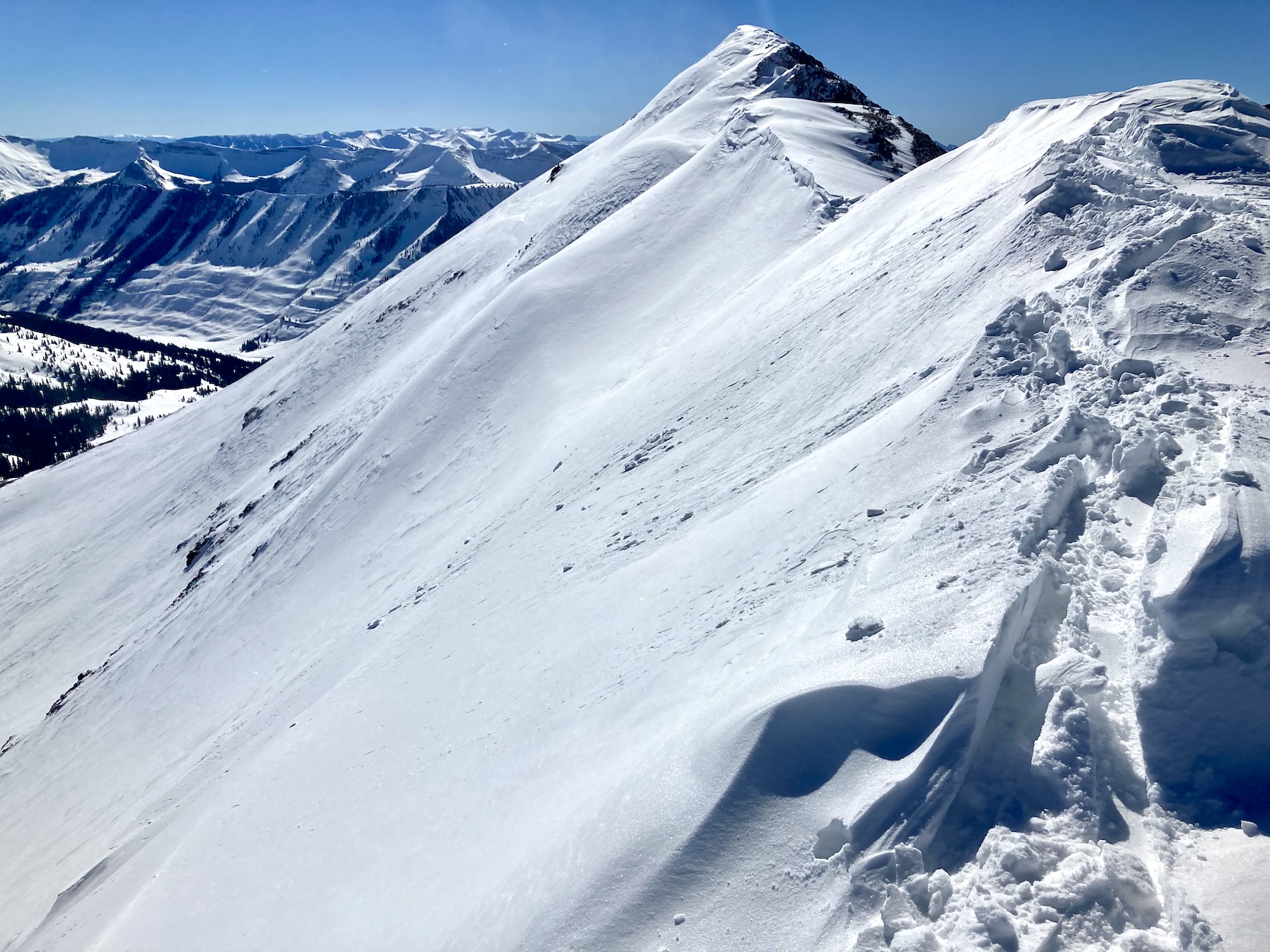
Avalanches: We pushed numerous Dry Loose avalanches in steep, north through east-facing wind-sheltered terrain below treeline. The couple of inches of settled recent snow seemed to prime these particular features, where they would collapse and run before I pushed on the steep part of a roll-over. It was almost like a close-proximity remote trigger Dry Loose avalanche – just an indication of how very weak the near-surface snow is going into this storm.
Weather: Ridgeline Wind Speed: 10-20 mph
Ridgeline Wind Direction: W
Wind Loading: None
Temperature: 20 F
Sky Cover: Few
Depth of Total Snow: 170 cm
Weather Description: Cool, breezy morning, but air temperatures were climbing quickly.
Snowpack: A grab-bag of faceted surfaces. Some were normal, mid-winter faceted surfaces, and others were outrageously weak.
The weakest snow we found was near and below treeline in wind-sheltered northeast and east-facing terrain. Here you can still trigger long-running Dry Loose avalanches, and the these slopes will become dangerous early this week as new snow totals reach around 8 or 10 inches.
Alpine northerly-facing terrain is covered in plenty of weak snow, but these slopes will take more load to grow dangerous.
Southerly-facing terrain is capped by a variety of faceted crusts.

Photos:

5362

Horse Basin

CB Avalanche CenterCBAC Observations

Date of Observation: 02/19/2022
Name: Josh Jones

Zone: Southeast Mountains
Route Description: Cement Mountain Horse Basin 9000′ – 11400′

Observed avalanche activity: Yes
Avalanches: A small loose dry avalanche triggered by the previous party near the ridge at 11300′

Snowpack: BTL Soft facets mixed with sun-crusts on NW terrain. NTL soft facets mixed with thin isolated wind slabs

Photos:

5360

Stuffy McStart-Zone

CB Avalanche CenterCBAC Observations

Date of Observation: 02/19/2022
Name: Rob Strickland

Zone: Southeast Mountains
Route Description: Loop

Observed avalanche activity: Yes
Avalanches: Sluff on NE pitch NTL.
Ski cut start zone… and you guessed it… sluff.

Weather: Sunny and calm

Snowpack: Weak overall with crusts on south and some wind effect on North…
Sheltered NE woods skied nice.

Photos:

5359

Small wind slab near the bottom of Schuylkill.

CBACCBAC Observations

Date of Observation: 02/19/2022

Zone: Northwest Mountains
Route Description: Small wind slab near the bottom of Schuylkill.

Observed avalanche activity: Yes
Avalanches: Small wind slab near the bottom of Schuylkill.

Photos:

5358

Couple More Avalanche Observations

CBACCBAC Observations

Date of Observation: 02/19/2022
Name: Evan Ross

Zone: Northwest Mountains
Route Description: Upper Washington Gulch. Mostly observing between 11,400-12,700ft on E-SE-S aspects.

Observed avalanche activity: Yes
Avalanches: 2 notable slab avalanches that looked to be a day or two old.

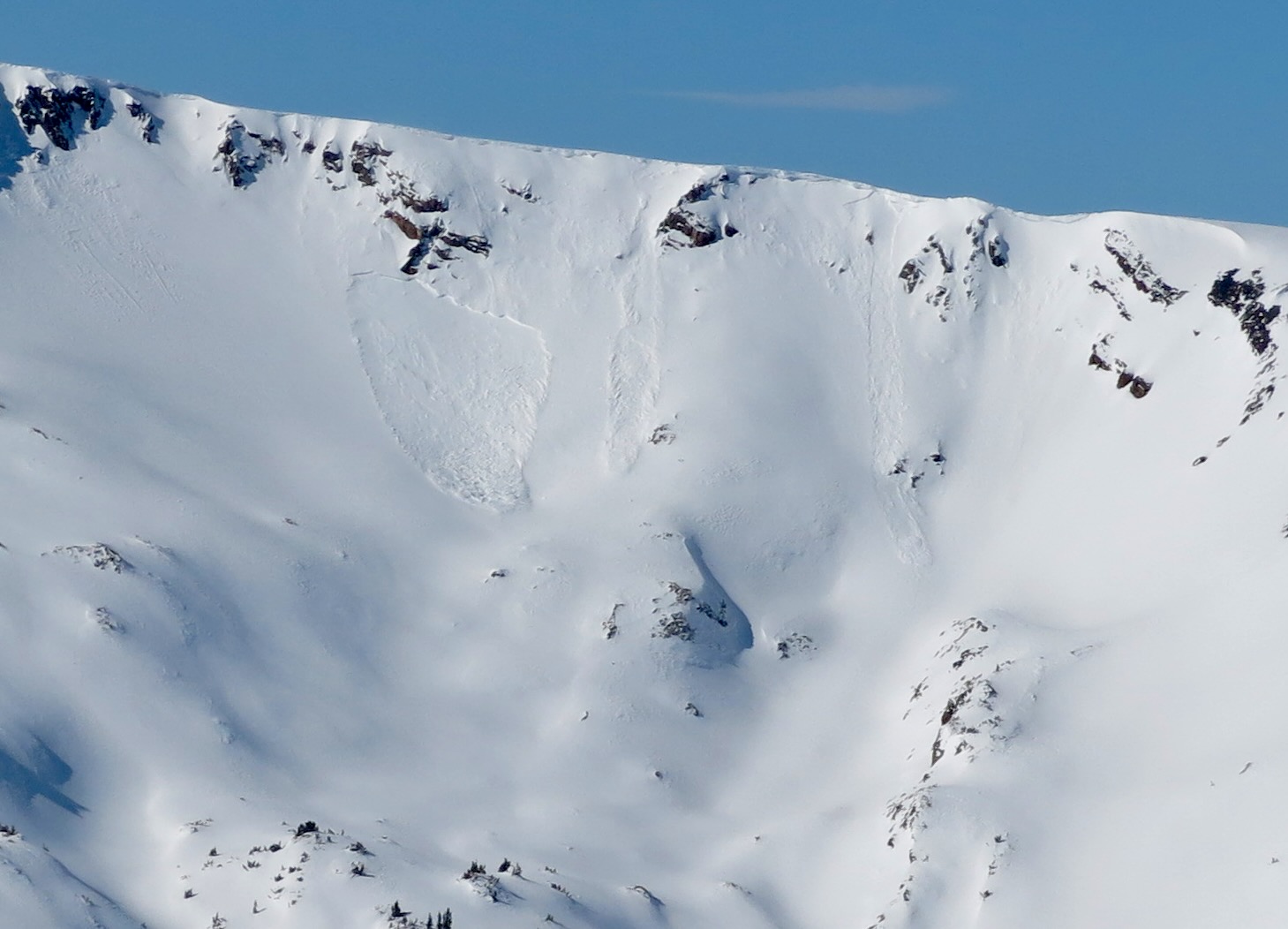
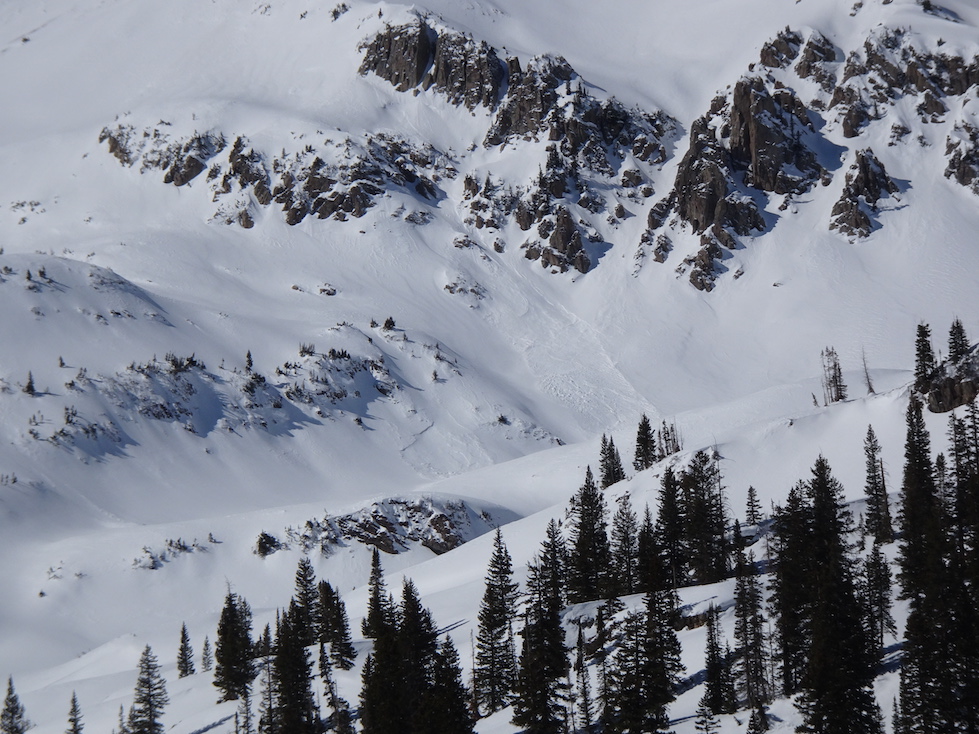
Purple Ridge, NE, 11,000t NTL. Heavly crossloaded terrain featuer. Best guess is that the crown averaged in the 6 to 12″ range, and maybe a bit deeper where it broke into the wind wale. D2 in size.

Rock Creek, SE, 12,500ft ATL. 1 D1.5 wind slab breaking near the ridge line. 1 D1.5 slab breaking below a cliff band that was likely triggered by some form of sluff off the ridge.

Weather: Clear, fairly consistent wind NTL blowing in the teens, moderate winds in the alpine continuing to drift snow at times.

Snowpack: Fresh wind-loading was isolated in the terrain and not common across the same specific terrain features. I still encountered a few fresh wind-slabs that I chose to avoid throughout the day. Avalanche problems in general on this tour felt fairly isolated as much of the terrain was simply blown back to firmer old layers.

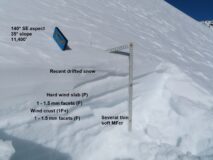
The most concerning thing I encountered was one area where I found multiple stacks of wind boards sandwiching layers of weak facets. This was a south-facing slope at 12,000ft that had seen multiple wind-loading events. I could only observe snowpack structure in the low-angle sections of the slope, somewhere in the 25-degree range. In one area near the bottom of the slope, and in another area near the top of the slope. It would have been interesting to see how much different the structure would have been on the actual steeper section of the slope. The snowpack structure was similar to what I found earlier in the week on low-angle SE to SW slopes near Paradise Divide.

Photos:

5357

Still weak

CBACCBAC Observations

Date of Observation: 02/19/2022
Name: Zach Guy

Zone: Southeast Mountains
Route Description: Climax Chutes. E and NE aspects to 10,800 ft.

Observed avalanche activity: Yes
Avalanches: Loose dry sluffing is still the primary concern here, although not as widespread as my last visit a couple of weeks ago because sun crusts have encroached on east aspects and wind crusts are scattered about. Still triggered a handful of small sluffs that entrained anywhere from 6″ to 12″, starting to gouge deeper into the pack near rock bands.
Weather: Clear skies, calm winds where we traveled.
Snowpack: 2″ of recent snow is faceting into small grains (~.5mm), on top of well-developed, very weak facets (2 mm). Wind crusts and sun crusts capping facets in some terrain. The transition from thin sun crust to dry facet occurred at roughly 75 degrees, ENE, depending on tree shading and slope angle.

Photos:

5356

Nice riding conditions on NW aspect NTL and a few natural slabs from Thursday night

CBACCBAC Observations

Date of Observation: 02/18/2022
Name: Eric Murrow

Zone: Northwest Mountains
Route Description: Baxter Basin area

Observed avalanche activity: Yes
Avalanches: I observed a couple of natural slab avalanches in the near treeline elevation band – small size on northeast and east aspects. These slides were not visible at 3 pm on Thursday afternoon.
Weather: Seasonably cool temperatures with gusty winds above treeline and generally light winds in the basin.
Snowpack: We skied a northwest-facing piece of terrain near treeline and found around 5 inches of new snow resting on a patchwork of thin wind boards or soft near-surface facets. We selected terrain to avoid recent and previous wind-loading. Probed extensively on the uptrack looking for thicker hard slabs beneath the new snow and did not find anything of concern.

Photos:

5355

Ruby Range by Irwin

CBACCBAC Observations

Date of Observation: 02/18/2022
Name: Evan Ross

Zone: Northwest Mountains
Route Description: Primary 11,000 to 12,600ft on NE-E facing terrain.

Observed avalanche activity: Yes
Avalanches: A few recent shallow slabs or dry sluffs at this end of the Ruby Range. All from some form of recent wind loading. D1’s.

Weather: Partly Cloudy. Moderate winds were consistently blowing snow at upper elevations. The wind appeared to be decreasing in the afternoon, or the snow fetch was drying out.

Snowpack: Weirdness ontop of the old snow NSF junk about sums it up. The old wind board over facets that formed over a week ago now, is inconsistent and has no rime or reason in its distribution at ATL elevations. We didn’t encounter anywhere with an avalanche problem related to this, but we did find thin wind-boards over the NSF that lead to uncertainty about whether we would randomly encounter something thicker or more problematic. In the afternoon we snowmobiled around some NTL previously wind-loaded terrain with no notable results.

Where there wasn’t an old wind board on the NSF, it was just the recent snow on the NSF. There wasn’t enough new snow to create a slab over the weak layer. Managing for wind slabs was great travel advice. We didn’t encounter much for a wind slab but we were not traveling on a ridgeline. Up higher near the ridgelines it didn’t look like there was a good distribution of fresh wind-loading as many areas looked blown off or just not very loaded.

Photos:

5354